Experts question science behind cycle-syncing workouts
Fitness experts and researchers caution that popular social media advice to tailor exercise to menstrual cycle phases lacks scientific backing and may not
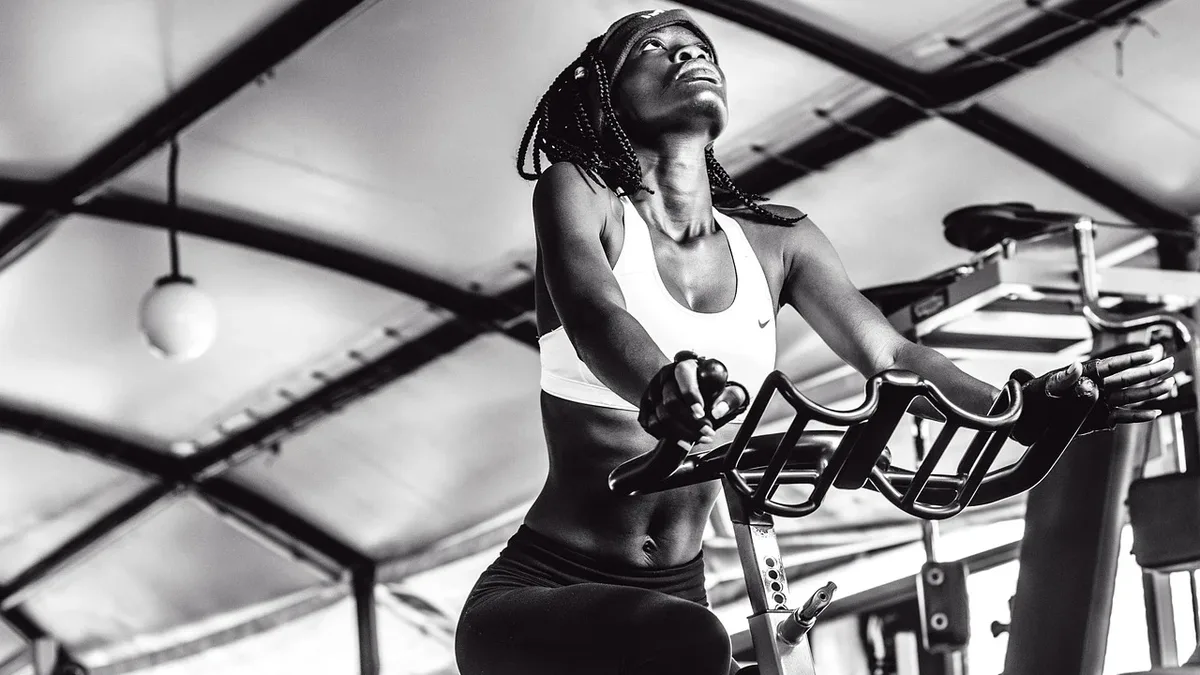
Online videos promoting 'cycle-syncing' workouts have surged in popularity, but experts warn the trend is not supported by strong scientific evidence. Google searches for the term have risen 740% since 2022, and over 55,000 TikTok videos use the #cyclesyncing hashtag, according to a BBC report.
These plans, typically shared by fitness creators, divide the menstrual cycle into phases. They recommend gentle exercise during menstruation, gradually increasing intensity in the follicular phase, harder training around ovulation, and easing off during the luteal phase.
A trend based on marketing
Kelly McNulty, a researcher at Leeds Beckett University specialising in menstrual cycles and exercise, tells reporters there is evidence some women experience changes in symptoms or energy. However, she states there is no research to support phase-based exercise prescriptions. "These videos are a trend based on marketing rather than any kind of research or evidence," she says.
McNulty explains that menstrual cycles are highly individual, varying between women and from one cycle to the next. This makes blanket social media advice difficult to apply. Many apps are designed for regular 21 to 35-day cycles, which can make their recommendations less useful for those with irregular periods or using hormonal contraception.
Intuitive changes rather than strict plans
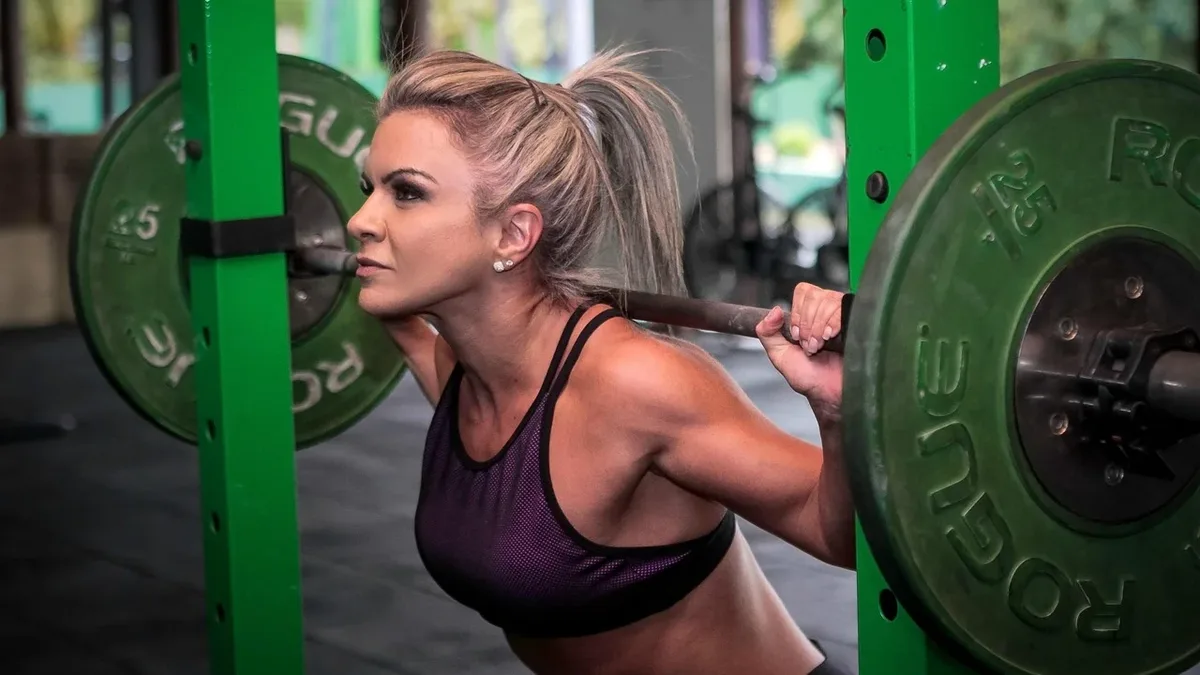
Some women do adjust their routines based on how they feel. Cesci Burgoyne, a nurse and personal trainer in Sydney, makes changes intuitively. "In my luteal phase I'll try and ease off in the training," she tells reporters. "In my follicular phase, I'm so energised, I feel like I can lift so much heavier."
Fitness creator Sarah Mackay also notices changes in her energy and mood through the month but avoids strict plans. She says some online advice tells women to avoid intense training during their period, yet she has sometimes hit personal records while menstruating. "The problem is not that the menstrual cycle is irrelevant," she says, but that "not everything is predictable."
The 'nocebo' effect and risks
Dr Faye Bate, a women's health expert, is wary of one-size-fits-all advice. She is concerned that repeatedly telling women they are weaker at certain cycle points could create a 'nocebo' effect, where negative expectations influence performance.
McNulty adds that routinely easing off resistance training for nearly half the month could limit strength progress. This is particularly important for women, who face a higher risk of osteoporosis later in life. Dr Bate also warns against normalising severe symptoms that interfere with daily life, advising women to seek medical advice instead.
How to be 'cycle-aware'
While cycle-syncing lacks strong evidence, experts suggest being 'cycle-aware'. McNulty says tracking your cycle can help understand personal patterns. Dr Bate encourages women to become more familiar with their monthly experiences.
In practice, this might mean preparing painkillers before a period, taking a rest day when symptoms are bad, or easing off a workout if unusually fatigued. For Dr Bate, "the most important part is tuning in to how you feel." The consensus is to use the cycle as information, not a rigid set of rules.