A Month of Pilates Leaves Writer's Body on Fire
A writer describes a month-long journey into pilates, starting with a loss of core strength and culminating in intense physical transformation.
A writer's near-fall while tying a shoelace on a busy street prompted a drastic change. Years of desk work and sedentary evenings had eroded their core strength and flexibility, leading them to try pilates.
Originally called contrology, the mind-body exercise system was created by German former boxer Joseph Pilates roughly a century ago. He developed the exercises while detained on the Isle of Man during the first world war. Pilates later set up a studio in 1920s New York, where it was adopted by ballerinas. The writer was drawn to its reported benefits for flexibility and injury recovery, particularly for a nagging shoulder pain.
The UK pilates and yoga market is now reportedly worth £1.1 billion. While long dominated by women, men are increasingly participating. Sports stars like LeBron James, Cristiano Ronaldo, and David Beckham have endorsed it, as have actor Glen Powell and singer Harry Styles. Reggae star Shaggy, a fan of reformer pilates, told the New Yorker the exercises touch "muscles you didn't know you had."
The Intimidating First Class
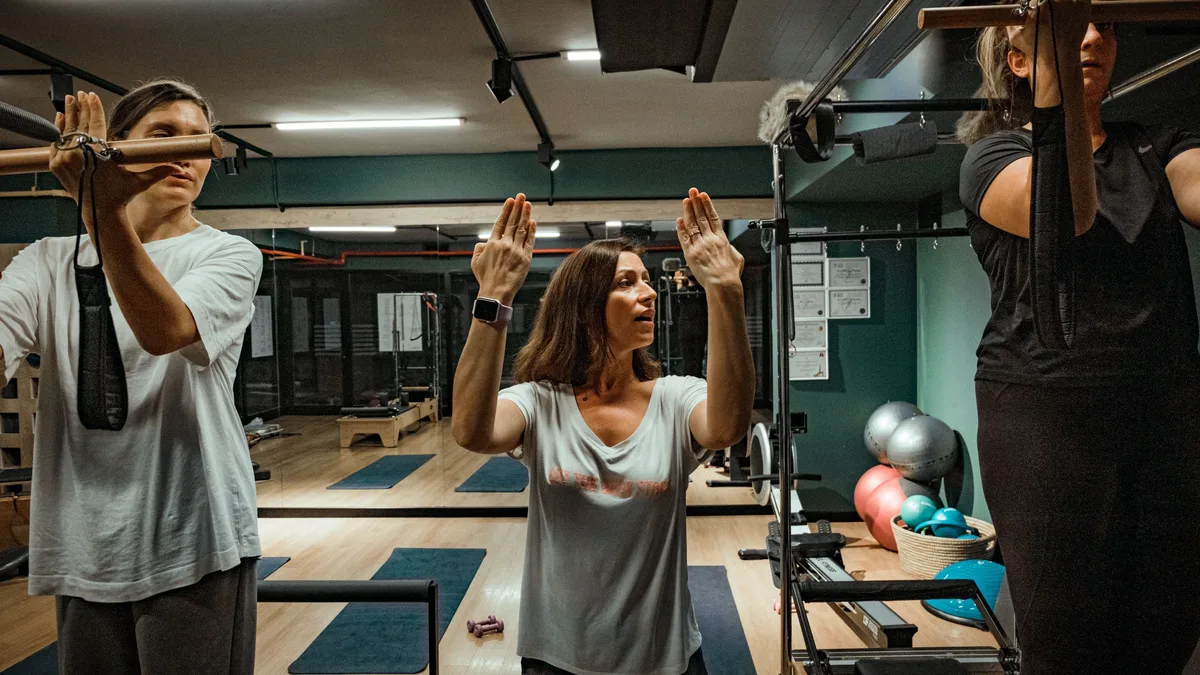
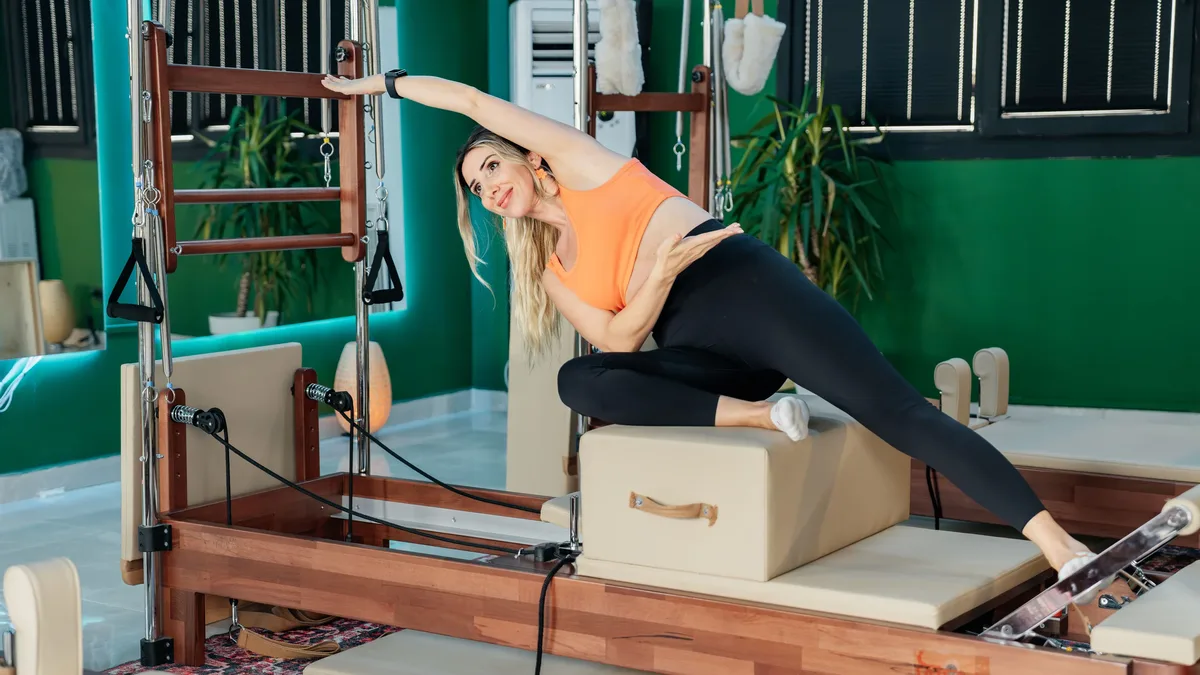
The writer's first class was a mid-afternoon reformer pilates session at a local gym. More than a dozen detailed-looking machines filled the room, and classmates of mixed gender seemed expert. An initial balance test brought back memories of the shoelace incident. The class involved lying on the machine, pushing a foot bar, and performing movements like single-leg presses.
The session quickly intensified. Exercises included the hundred, which involves pumping arms while legs are in the air, and leg circles, which involve moving the legs in a circular motion against resistance. After just 20 minutes, the writer was pleading for the class to end. The next day, unfamiliar muscles were burning, and standing was a struggle.
A More Personal Approach
For the second week, the writer attended a smaller session at Hernan Castro-Vidal's Pilates Nutrition studio in south London. Castro-Vidal noted a sharp rise in men signing up, often influenced by celebrities and footballers. He said most men start with private sessions, citing shyness. Out of his 15 private clients, 12 are men.
The pace was slower, but with constant form correction from Castro-Vidal, every movement felt targeted. The writer found the hundred exercise less of an ordeal and could raise their legs more easily. By the end, movement in their sore shoulder was less painful. "We need to differentiate between workout classes and the true essence of pilates," Castro-Vidal said. He believes classes with dozens of people are just a taster, stating that six people is the maximum for providing proper attention.
Fellow class attendee Divanka Wijendra, a 43-year-old GP, switched from Hiit and CrossFit to pilates as he aged. People are enjoying the slightly slow pace of it compared with the intense Hiit style of training, he observed. Wijendra's interest was sparked by social media algorithms showing funny videos of men trying pilates. After six months, his core strength and posture improved, and he can now touch his toes.
Industry data reflects this shift. In 2018, roughly 14,000 gyms worldwide were CrossFit-affiliated. By 2025, that figure had dropped to under 10,000. Meanwhile, UK business insurance provider Protectivity reported a rise of over 900% in applications from reformer pilates instructors between 2024 and 2025.
The Deceptive Mat Class
Seeking respite in week three, the writer booked a machine-free mat pilates class. This proved to be a mistake. In a class of eight, with one other man, they used a ball placed between the shoulder blades for crunches. Without the machine's support, the writer had to rely entirely on their own balance, strength, and flexibility. Their body was once again on fire.