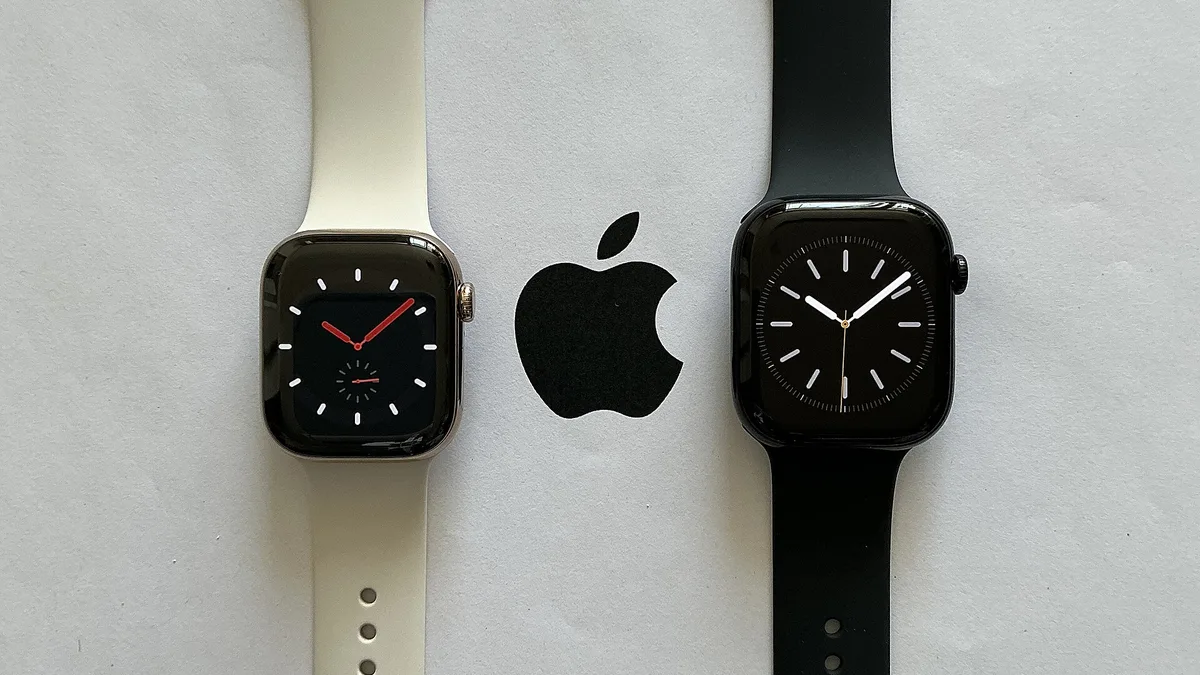
Apple Watch
| Type | Smartwatch |
|---|---|
| Operating system | watchOS |
| Display type | OLED |
| Compatibility | iPhone |
| Heart rate monitoring | Yes |
| ECG app | Yes |
| Fall detection | Yes |
| Water resistance | Up to 50 meters |
| Original use | Health and fitness tracking |
Origin and history
The Apple Watch originates from the United States, developed by Apple Inc. Its development was announced in the early 2010s, with the first models reaching consumers in the mid-2010s. This launch marked Apple's entry into the wearable technology market, expanding from its core business of personal computers and mobile devices. The product was created to integrate deeply with the iPhone ecosystem, offering a new form of personal computing on the wrist. Its development followed broader industry trends towards health monitoring and connected fitness devices. The history of the Apple Watch reflects a continuous iteration of hardware and software focused on health, communication, and convenience.
What it is for
The Apple Watch is a wearable device designed to be an extension of an iPhone, providing notifications, communication, and app access from the wrist. A primary function is comprehensive health and activity tracking, encouraging daily movement through stand, move, and exercise ring goals. It serves as a tool for monitoring physiological metrics like heart rate, blood oxygen levels, and, in later models, electrocardiogram (ECG) readings. It is used for tracking specific workouts, from running and cycling to swimming, utilizing built-in GPS and water resistance. The device also aims to support mindfulness and recovery through features for guided breathing and sleep stage tracking. Furthermore, it functions as a platform for mobile payments, navigation, and emergency calling independently of a paired phone.
Pros and cons
A significant pro is its seamless integration with the iPhone ecosystem, providing a unified experience for notifications, messaging, and app functionality. The breadth and accuracy of its health sensors are generally considered robust for a consumer device, offering valuable longitudinal health data. Its ability to operate as a standalone communication device with cellular models enhances safety and convenience for users away from their phones. A common con is the necessity of frequent daily charging, which can interrupt continuous health monitoring, particularly for sleep tracking. Many users regret the purchase if they are not already committed to the Apple ecosystem, as the device's functionality is severely limited without an iPhone. A frequent mistake is underestimating the ongoing cost, which includes potential subscriptions for fitness content and the higher price of cellular service plans.
Who it suits
The Apple Watch best suits individuals who are already iPhone users and seek a deeply integrated device for health tracking and communication. It is appropriate for fitness enthusiasts who want detailed workout metrics and motivation through activity ring closures, though it is not a specialized sports watch. The device suits people looking for a general wellness tool to monitor daily activity levels, heart health trends, and sleep patterns over time. Its safety features, like fall detection and emergency SOS, make it a practical consideration for older adults or individuals with specific health concerns. It is less suited for those seeking a multi-day battery life, users who primarily engage in Android or other non-Apple platforms, or individuals requiring ruggedized hardware for extreme sports. The Apple Watch is designed for users who accept the trade-off of daily charging for a highly connected, app-capable wearable.
Latest Apple Watch news
Latest reporting
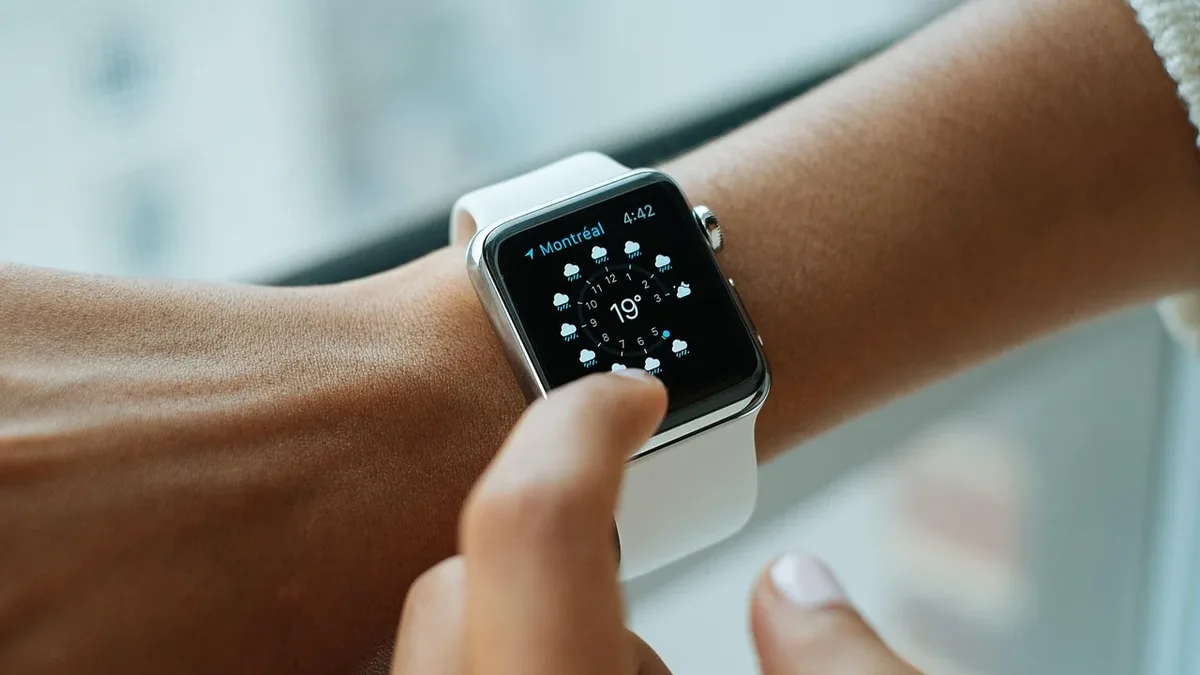
Apple Watch Ultra 4 and Series 12 Focus on Health Metrics
Apple's latest watches feature a new heart rate sensor, more frequent HRV readings, and a new daily readiness score.
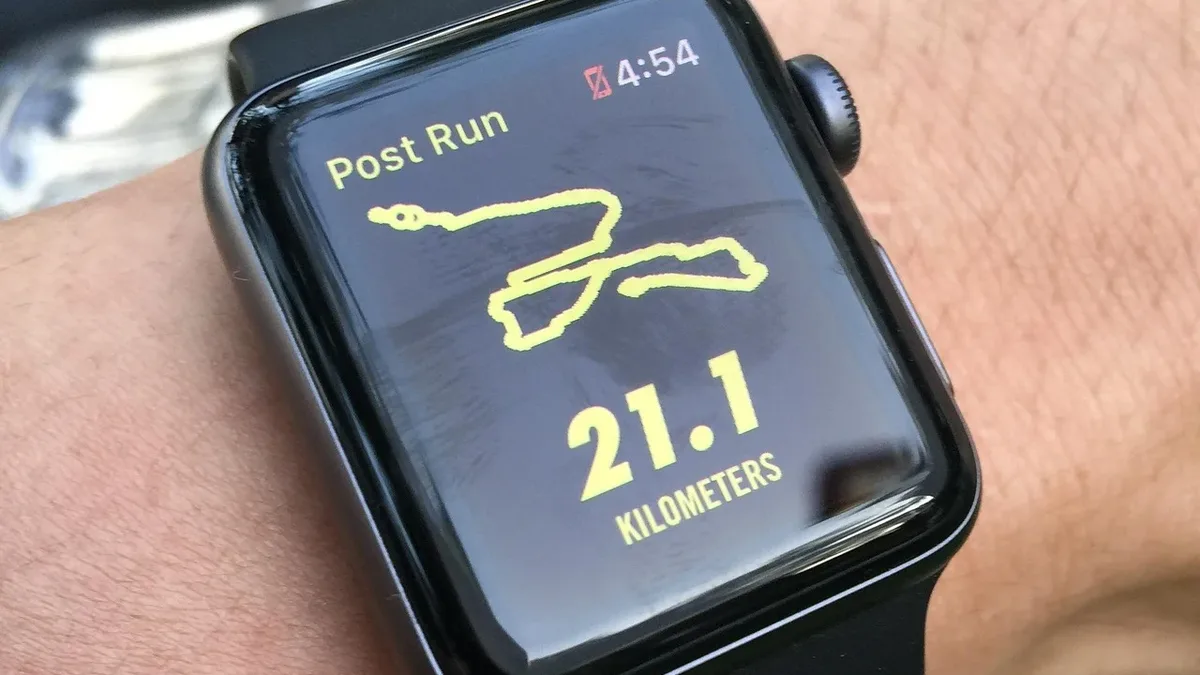
Wahoo Launches Apple Watch Running App and Subscription
Wahoo has released a new Apple Watch app for runners, bundling it with its fitness platform that offers free tracking and paid subscriptions for...
Google Pixel Watch 5 GPS Accuracy Tested Against Garmin and Apple
Google Pixel Watch 5's GPS accuracy has been put to the test in New York City against Garmin Fenix 8 Pro and Apple Watch Ultra 3.