Huberman's Five-Year Belt Squat Habit for Longevity
Neuroscientist Andrew Huberman has used the belt squat as his primary leg exercise for five years, highlighting its benefits for pain-free, long-term
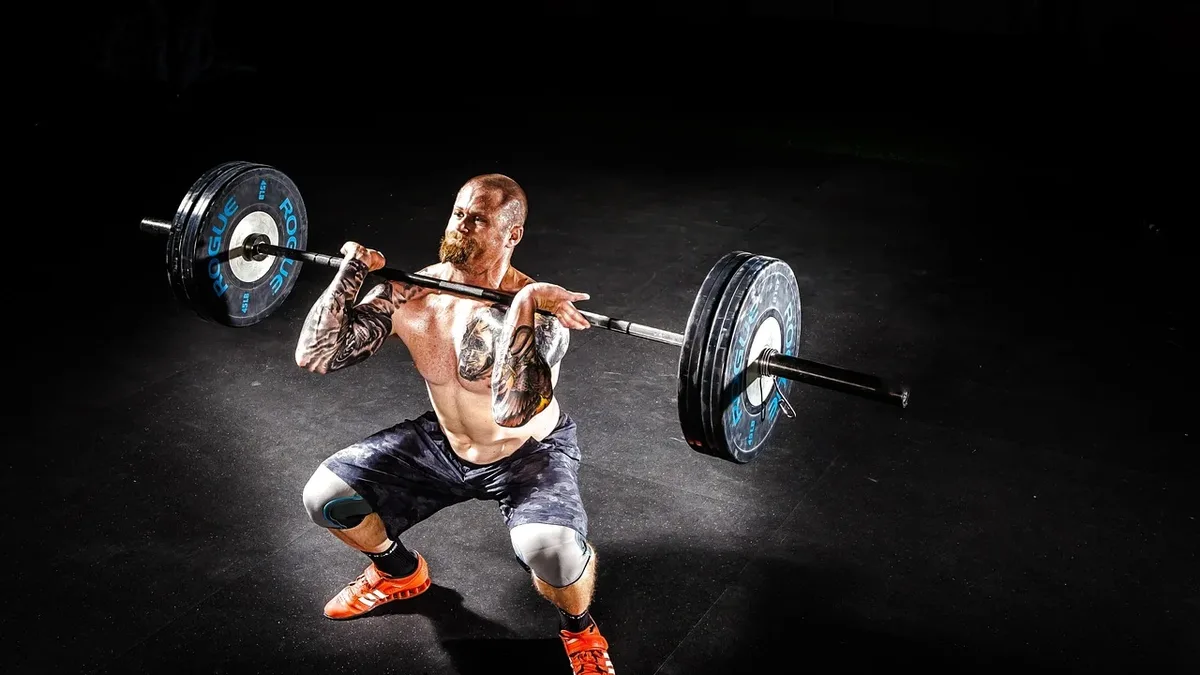
Andrew Huberman has maintained a five-year belt squat routine as his preferred leg exercise. The 51-year-old neuroscientist states the belt squat has been his favorite movement for half a decade, allowing him to build leg strength without loading his shoulders or back. His gym tour was conducted with Men's Health.
Huberman's approach centers on a machine where resistance is attached to a belt worn around the hips. This setup removes the need to support a barbell on the shoulders. He loads the machine and adds additional weights to increase resistance. The method enables heavy leg training without placing strain on the shoulders, elbows, or wrists.
Scientific Validation of Belt Squat Benefits
Research confirms belt squats deliver comparable quad activation with reduced lower back strain. A small study found similar quad muscle activation during belt squats compared to traditional back squats. Crucially, the belt squat produced lower activation in the lower back muscles. By attaching resistance to a hip belt, the exercise significantly reduces demand on the lower back.
This scientific backing supports Huberman's practical choice. The reduced spinal loading is a key factor for sustainable training, especially for individuals focused on training longevity.
Progressive Overload and Longevity Focus
Huberman emphasizes adding more weight or reps weekly to progress. He prioritizes training longevity and avoiding pain. His goal is consistent, pain-free improvement over years, not only weeks.
He states he feels comfortable lifting, can run, sit for long periods, and avoid pain. This holistic view of fitness integrates strength training with overall physical well-being. The belt squat facilitates this by minimizing joint stress while still allowing for progressive overload.
Shoulder-Friendly Training Advantages
The belt squat eliminates shoulder loading, enabling heavy leg work without upper body strain. For Huberman, this means he can load his legs heavily without loading his shoulders. The exercise completely removes the need to support a bar across the upper back.
This advantage is significant for anyone with shoulder, elbow, or wrist limitations. It also allows lifters to separate upper and lower body training demands more effectively. Heavy leg work no longer comes with the prerequisite of a stable, pain-free shoulder position.
Andrew Huberman said: "Lately, leg day is my favourite. And when I say lately, I mean for the last five years." His ongoing five-year belt squat practice demonstrates a commitment to sustainable strength training for longevity.