
Garmin
Origin and history
Garmin Ltd. is an American multinational technology company founded in the late 1980s. The company was established in the state of Kansas by Gary Burrell and Min Kao, with the name "Garmin" derived from a combination of the founders' first names. Its original focus was on developing navigation and communication devices for the aviation and marine markets, leveraging Global Positioning System (GPS) technology. Throughout the 1990s, Garmin established itself as a leading provider of specialized GPS units for outdoor and fitness activities, such as hiking and sailing. The company's expansion into the consumer wearable fitness market began in the early 2000s with the introduction of its first wrist-mounted GPS running watches. This shift positioned Garmin to become a dominant player in the sports technology sector, evolving from specialized navigation tools to comprehensive wearable devices for daily health and fitness tracking.
What it is for
Garmin wearable devices are designed to quantify and provide feedback on key physiological metrics related to movement, recovery, nutrition, and stress. Their primary function is to track physical activity with high precision, using integrated GPS and motion sensors to record distance, pace, and route for activities like running, cycling, and swimming. Beyond activity tracking, the devices continuously monitor bodily signals to estimate stress levels through heart rate variability (HRV) analysis. They provide detailed sleep stage analysis to offer users insights into their nightly recovery quality and duration. The ecosystem includes features for logging food and water intake, allowing users to correlate nutritional habits with their energy levels and performance metrics. The overarching goal is to present this data cohesively, enabling users to make informed decisions to balance exertion with rest and manage daily strain for sustainable practice.
Pros and cons
A significant pro of Garmin wearables is their exceptional battery life, which often lasts multiple weeks in smartwatch mode, reducing daily charging hassle. The devices are renowned for their robust build quality, durability, and water resistance, making them suitable for intensive athletic use and harsh environments. The depth and accuracy of sports-specific metrics, especially those utilizing GPS and multi-band positioning, are industry-leading for serious training analysis. A major con is the complexity and occasional overwhelming nature of the data-rich interface and companion app, which can frustrate users seeking simple, glanceable information. The ecosystem can feel overly prescriptive, with recovery advice and training status alerts sometimes generating anxiety or guilt for users who miss targets, turning a wellness tool into a source of stress. Common regrets arise from users who purchase high-end, feature-laden models only to utilize a fraction of the capabilities, making the substantial financial investment difficult to justify compared to simpler, less expensive trackers.
Who it suits
Garmin wearables best suit individuals who engage in structured training or multiple outdoor sports and value detailed performance analytics over general wellness tracking. They are ideal for endurance athletes like runners, cyclists, and triathletes who rely on precise GPS data, advanced workout planning, and physiological metrics like VO2 Max estimates. The devices also appeal to outdoor enthusiasts such as hikers, climbers, and sailors who utilize the robust navigation features and topographic maps available on higher-end models. Users who prefer a low-maintenance device with long battery life and a focus on fitness rather than smartphone app integration will find Garmin products aligned with their priorities. They are less suited for individuals whose primary interest is in seamless smartphone connectivity, a wide selection of third-party apps, or a fashion-oriented smartwatch design. The ecosystem is most effective for those motivated by data and willing to engage with the metrics to inform their sustainable balance of movement, recovery, and stress management.
Latest Garmin news
Latest reporting

Garmin Fenix 8 Gets Fenix 9 Software Features
Garmin will ship most of the new Fenix 9 software to existing Fenix 8, Forerunner 970, Venu X1 and other modern GarminOS watches, but mapping and...
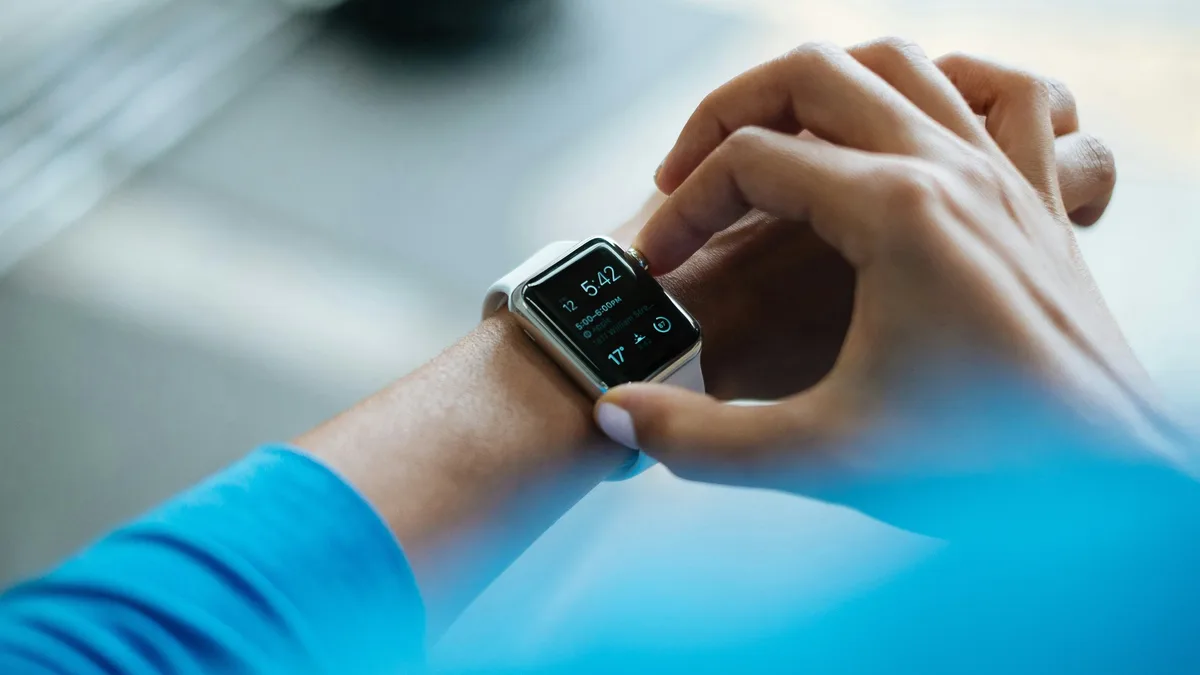
Google Pixel Watch 5 GPS Accuracy Tested Against Garmin and Apple
Google Pixel Watch 5's GPS accuracy has been put to the test in New York City against Garmin Fenix 8 Pro and Apple Watch Ultra 3.