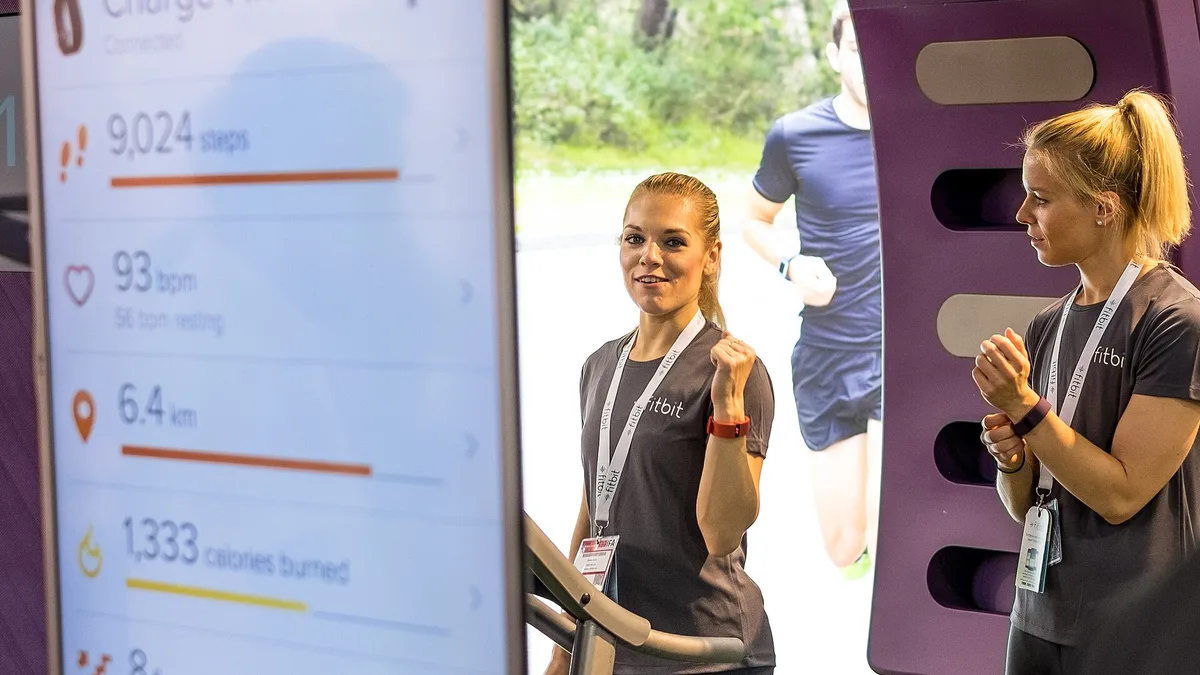
Fitbit
| Product category | Fitness tracker |
|---|---|
| Original use | Personal activity and sleep monitoring |
| Battery life | Up to several days on a single charge |
| Water resistance | Water resistant to varying depths (e.g., swim-proof) |
| Sensors | Typically includes accelerometer, heart rate monitor |
| Connectivity | Bluetooth, syncs with smartphone app |
| Compatible OS | iOS and Android |
| Display | Monochrome or color screen, varies by model |
Origin and history
Fitbit is a brand of wearable activity trackers that originated in the United States. The company was founded in the early years of the 21st century, with its first product launching in the late 2000s. It emerged during a period of growing consumer interest in quantified self-movement and basic digital health metrics. The founders aimed to create a simple, clip-on device that could track steps and calories burned, translating everyday movement into data. The brand quickly became synonymous with the activity tracker category, expanding from a single device to a wide range of wrist-worn models and smartwatches. Over the subsequent decade, Fitbit evolved through numerous product iterations, facing increasing competition from larger technology companies while establishing a substantial user base.
What it is for
Fitbit devices are designed to track and record personal health and fitness metrics to inform daily habits. Their primary function is to monitor movement, including steps taken, distance traveled, floors climbed, and active minutes throughout the day. They are used to track exercise sessions, providing data on duration, heart rate zones, and estimated calorie expenditure for activities like running, cycling, and swimming. The devices and accompanying app also focus on recovery, offering sleep stage analysis, sleep duration scores, and daily readiness metrics that suggest workout intensity. For dietary awareness, the platform includes a comprehensive food logging database to estimate calorie intake and nutrient balance. Furthermore, many models include tools for managing stress, such as guided breathing sessions and a metric for tracking electrodermal activity related to the body's stress response.
Pros and cons
A significant advantage of Fitbit is its user-friendly ecosystem, which presents health data in clear, actionable summaries suitable for beginners. The battery life on most non-smartwatch models is notably long, often lasting several days between charges, which supports consistent wear. The sleep tracking detail, including sleep stages and a consistent scoring system, is often cited as a strength compared to basic competitors. Common criticisms include the shift to a subscription-based Premium service, which locks some previously free analytics and guidance behind a paywall, causing frustration for long-term users. The hardware, while generally durable, can suffer from band degradation or screen issues over time, and customer support for out-of-warranty devices is frequently reported as lacking. Many users regret their purchase if they primarily seek a robust smartwatch, as the app ecosystem and responsiveness on core Fitbit models are typically more limited than on full smartwatch platforms.
Who it suits
Fitbit best suits individuals new to activity tracking who want straightforward, encouraging feedback on basic metrics like steps and sleep without overwhelming complexity. It is appropriate for those focused on holistic daily patterns of movement, recovery, and stress rather than on advanced athletic performance analytics. The platform appeals to users who prefer a device with long battery life, allowing for continuous sleep and activity tracking without nightly charging. It is less suitable for serious athletes or data enthusiasts who require highly precise GPS tracking, granular performance metrics, or open data export for deep analysis. People deeply integrated into other smartphone ecosystems, like Apple's, may find the experience less seamless than a native offering. Ultimately, it suits someone committed to sustainable daily habit formation who values a consolidated view of their general wellness trends over time.