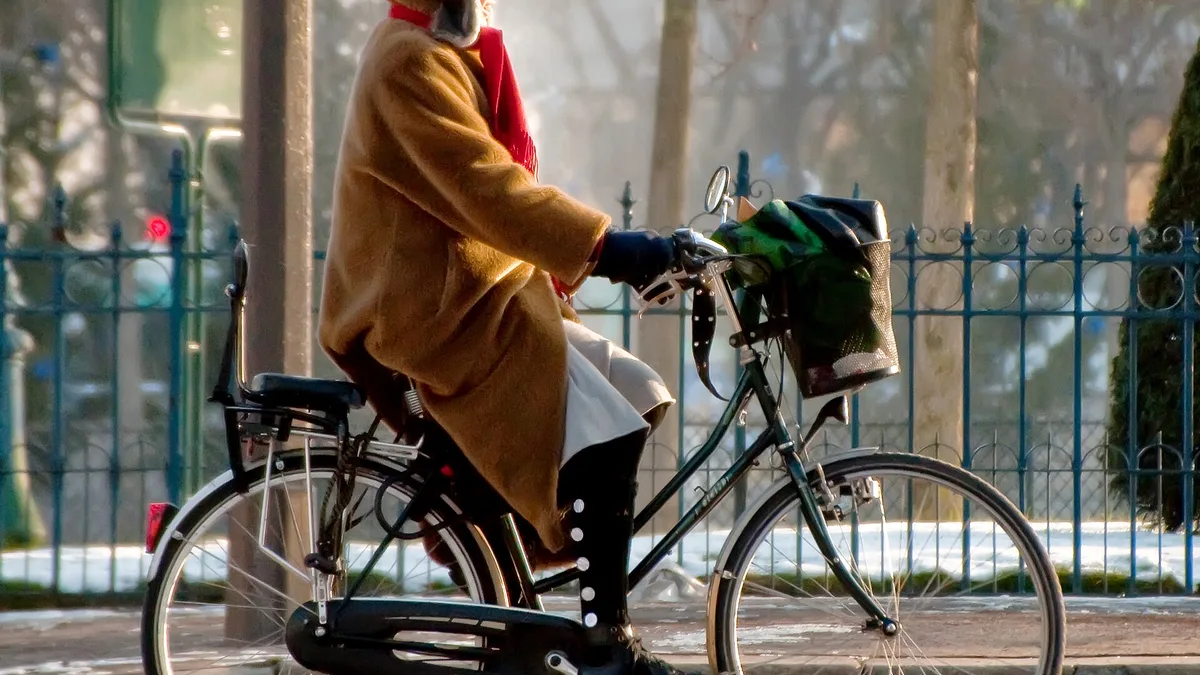
Active Commuting
| Primary mode | Bicycling, walking, running, skating, etc. |
|---|---|
| Typical distance range | Short to medium (e.g., 1–15 km / 0.6–9 mi) |
| Primary benefit | Physical activity integrated into daily routine |
| Common equipment | Bicycle, walking shoes, backpack, safety gear, weather-appropriate clothing |
| Key considerations | Route safety, weather, time commitment, secure storage |
| Sustainability impact | Reduces individual motorized transport emissions |
| Original use | Transportation necessity before motorization |
| First created | Ancient (as a fundamental human activity) |
Origin and history
Active commuting is not a modern invention but a return to the predominant form of human transportation prior to the 20th century. For centuries, walking was the primary means of travel for most people globally, with cycling emerging as a significant mode following the bicycle's popularization in the late 19th century. The term "active commuting" itself gained common usage in public health and urban planning discourse in the late 20th and early 21st centuries. This coincided with growing awareness of the health and environmental costs of automobile-dependent societies. The concept is not tied to a single country of origin but emerged as a response to urbanization and motorization trends, particularly in North America and Western Europe. Its formal promotion is often linked to public health initiatives and sustainable urban transport policies developed from the 1990s onward.
What it is for
Active commuting serves the primary purpose of integrating necessary physical activity into the daily routine of traveling to a destination, typically work or education. It is utilized to reduce sedentary time associated with motorized transport, thereby contributing to meeting weekly physical activity guidelines. A core function is to decrease an individual's reliance on private automobiles, lowering personal carbon emissions and reducing traffic congestion. It also aims to reduce transportation costs for the individual by eliminating fuel, parking, and significant vehicle maintenance expenses. Furthermore, active commuting can serve as a dedicated time for mental transition between home and work roles, acting as a form of stress buffer. It is also employed to increase engagement with one's local community and environment by traveling at a human scale.
Overview
Active commuting refers to traveling to and from a regular destination, such as a workplace or school, using physical human effort as the primary means of propulsion. The most common modes are walking, cycling, and using a non-motorized scooter, with some definitions also including public transit segments that begin or end with a significant active portion. It is distinguished from recreational exercise by its primary purpose of transportation, though it confers similar health benefits. The practice requires a route, which may combine paths, roads, and public transit infrastructure, and basic equipment appropriate to the chosen mode. It is integrated into the fabric of daily life rather than being a separate scheduled activity. Successful active commuting often involves logistical planning around weather, clothing, and securing one's vehicle at the destination.
What to know
The feasibility of active commuting is highly dependent on distance, with practical one-way limits typically considered to be approximately 5 kilometers for walking and 15 kilometers for cycling for an average commuter. Infrastructure safety, such as the presence of sidewalks, bike lanes, or low-traffic routes, is a critical determinant of whether individuals will adopt the practice. Commuters must plan for weather contingencies, having appropriate clothing, rain gear, and strategies for extreme heat or cold, which can be a significant barrier. Secure storage for a bicycle or other gear at the destination is a non-negotiable requirement for cycling commuters; a lack of safe storage prevents adoption. The time commitment is often greater than for motorized transport, requiring individuals to reallocate time from other parts of their day. It is also important to know that active commuting can be adopted incrementally, such as starting with one or two days per week or combining with public transit for part of the journey.
Common questions
A frequent question is how to manage professional attire, with solutions ranging from changing clothes at the destination, using panniers to prevent wrinkling, or opting for an electric-assist bicycle to reduce sweating. Many ask about safety, particularly in mixed traffic, leading to advice about route planning, using lights and high-visibility gear, and understanding local traffic laws for cyclists and pedestrians. People inquire about the necessary investment, which for cycling can include a reliable bicycle, a helmet, lights, lock, and maintenance tools, though this cost is typically far lower than car ownership. A common logistical question involves how to handle errands or grocery shopping, often addressed by using cargo baskets, panniers, or backpacks designed for load carrying. Individuals often wonder if they are fit enough to start, with the general guidance being to start with short, manageable distances and allow fitness to develop with consistency. Others ask about hygiene, with many workplaces providing shower facilities or the alternative of using freshening-up wipes and a change of clothes if a full shower is not available.
Pros and cons
The primary benefits are improved cardiovascular and metabolic health from consistent moderate exercise, substantial financial savings on transport costs, a reduced personal carbon footprint, and often a more predictable commute time unaffected by traffic congestion. A significant pro is the mental health benefit of starting and ending the workday with physical activity, which can clear the mind and reduce stress. The main cons include exposure to adverse weather, increased travel time compared to direct car travel in many cases, and the physical exertion required which can be daunting after a long workday. A common mistake is underestimating the need for proper equipment, such as quality rain gear or a reliable bicycle, leading to a frustrating experience and early abandonment. This practice often regrets those who live beyond a practical cycling distance without viable multi-modal transit options, or whose workplace lacks any secure bicycle storage or changing facilities. It can also be poorly suited for individuals with certain physical disabilities or medical conditions that preclude sustained walking or cycling, or for those whose job requires transporting heavy tools or equipment daily.
Who it suits
This practice best suits individuals who live within a practical distance of their workplace, typically under 10 kilometers, and who have access to safe routes separated from high-speed traffic. It is well-matched for people seeking to efficiently combine daily transportation with their physical activity goals, and for those motivated by environmental or financial reasons to reduce car use. It suits those with workplace facilities that support it, such as secure bike storage, lockers, and showers or at least a private bathroom for changing. Individuals with a degree of schedule flexibility that can accommodate a longer travel time, or who can offset it by avoiding gym sessions, often find it sustainable. It is less suited for people with highly variable work locations, those who must drop off children at distant schools or daycare as part of their commute, or anyone required to be "on-call" and respond rapidly from home. It also may not suit individuals in regions with extreme seasonal weather lacking adequate indoor alternatives, or those for whom the commute would involve traversing areas perceived as unsafe for pedestrians or cyclists.