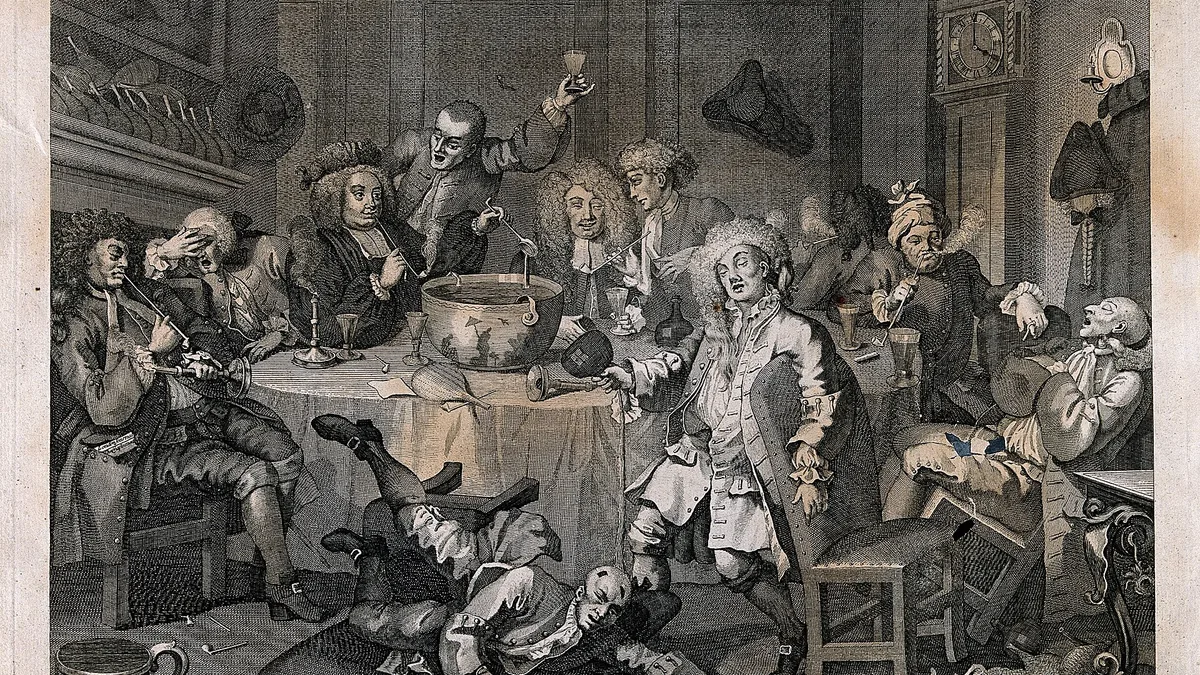
Alcohol And Sleep
| Effect on sleep quality | Disrupts and fragments sleep |
|---|---|
| Effect on sleep stages | Reduces REM and deep sleep |
| Time to avoid before bed | Several hours |
| Primary mechanism | Acts as a sedative, not a sleep aid |
| Impact on next-day alertness | Can cause next-day drowsiness |
| Common misconception | Improves sleep |
| Typical effect on sleep onset | May shorten initial time to fall asleep |
Origin and history
The practice of consuming alcohol to influence sleep is not a modern invention but a deeply ingrained historical behavior with no single point of origin. Archaeological evidence from ancient China, dating to the Neolithic period, shows the production of fermented beverages, which were likely used in ritual and medicinal contexts that could have included sleep induction. In ancient Greece and Rome, wine was commonly consumed and referenced in medical texts, such as those by Galen, for its sedative properties to aid rest. Throughout medieval Europe, alcohol, often in the form of beer or wine, was a staple beverage and a common folk remedy for various ailments, including insomnia and general restlessness. The distillation of spirits, which intensified alcohol's effects, became more widespread from the Middle Ages onward, further entrenching its use as a self-administered sedative. The scientific investigation into alcohol's specific effects on sleep architecture began in earnest in the mid-20th century with the advent of modern sleep laboratory studies.
What it is for
Alcohol is consumed by individuals with the intention of initiating sleep more quickly, as it is a central nervous system depressant with sedative properties. Its primary mechanism for this purpose is through the enhancement of gamma-aminobutyric acid (GABA) neurotransmission, which slows brain activity and promotes feelings of relaxation. Many people use alcohol specifically to quiet a racing mind or alleviate pre-sleep anxiety that prevents them from falling asleep naturally. It is also used by some to create a perceived wind-down ritual, marking a transition from the alertness of the day to a state intended for rest. In social contexts, alcohol consumption in the evening is often intertwined with relaxation practices that individuals believe will lead to better sleep. Furthermore, its use can be a misguided attempt to counteract the sleep-disrupting effects of other substances, such as caffeine consumed earlier in the day.
Pros and cons
A primary perceived pro is that alcohol can reduce sleep onset latency, meaning it helps individuals fall asleep faster, which is particularly appealing to those with initial insomnia. The sedation and muscle relaxation induced by alcohol can provide a strong, initial feeling of drowsiness that is mistaken for healthy sleepiness. A significant con is that alcohol severely fragments sleep architecture, leading to frequent, brief awakenings and a drastic reduction in restorative rapid eye movement (REM) sleep, especially in the second half of the night. It also relaxes the muscles of the upper airway, exacerbating or causing sleep apnea events, which further disrupts sleep and lowers blood oxygen levels. Common regret comes from individuals who experience early morning awakening and an inability to return to sleep, leaving them feeling unrefreshed despite a full night in bed. The most frequent mistake is the development of tolerance, where increasing amounts of alcohol are needed to achieve the same sedative effect, potentially leading to dependency and significantly worsening long-term sleep quality.
Who it suits
This practice does not suit individuals with diagnosed sleep disorders like insomnia or sleep apnea, as alcohol reliably exacerbates these conditions and undermines professional treatment. It is particularly ill-suited for anyone seeking truly restorative sleep, as the compromise in sleep architecture prevents the physical and mental recovery that defines quality rest. Individuals with a personal or family history of substance abuse or alcohol dependency should strictly avoid using alcohol as a sleep aid due to the high risk of habituation. It may provide a temporary, superficial solution for a person without underlying sleep issues who very occasionally experiences acute stress preventing sleep onset, though even this carries risks of establishing a poor habit. The practice is incompatible with a sustainable daily practice focused on genuine recovery, as it introduces a chemical disruptor that hinders the body's natural sleep cycles and next-day cognitive function. Ultimately, it suits no one as a regular or long-term strategy for sleep improvement within a framework of sustainable health.
Latest Alcohol And Sleep news
Latest reporting

Ray Winstone Puts Diabetes in Remission with Walking and No Alcohol
Actor Ray Winstone, 69, says he reversed his type 2 diabetes diagnosis by quitting alcohol and sugary drinks and adopting daily walking as his...
Sleep study: Poor sleep costs over-50s nine months of working life
A Finnish study finds severe sleep disturbances or long sleep duration can shorten working life after 50 by up to nine months.
Filter newsletter tests five niche sleep products
The Guardian's Filter newsletter has tested five niche sleep products, including a blackout tent, a Bluetooth sleep mask, a climate-controlled bed...
Tested: Best UK Mattresses for Sleep Quality
Experts tested 18 bed-in-a-box mattresses. Top picks are the Simba Hybrid Pro for couples and the budget Ikea Valevåg.
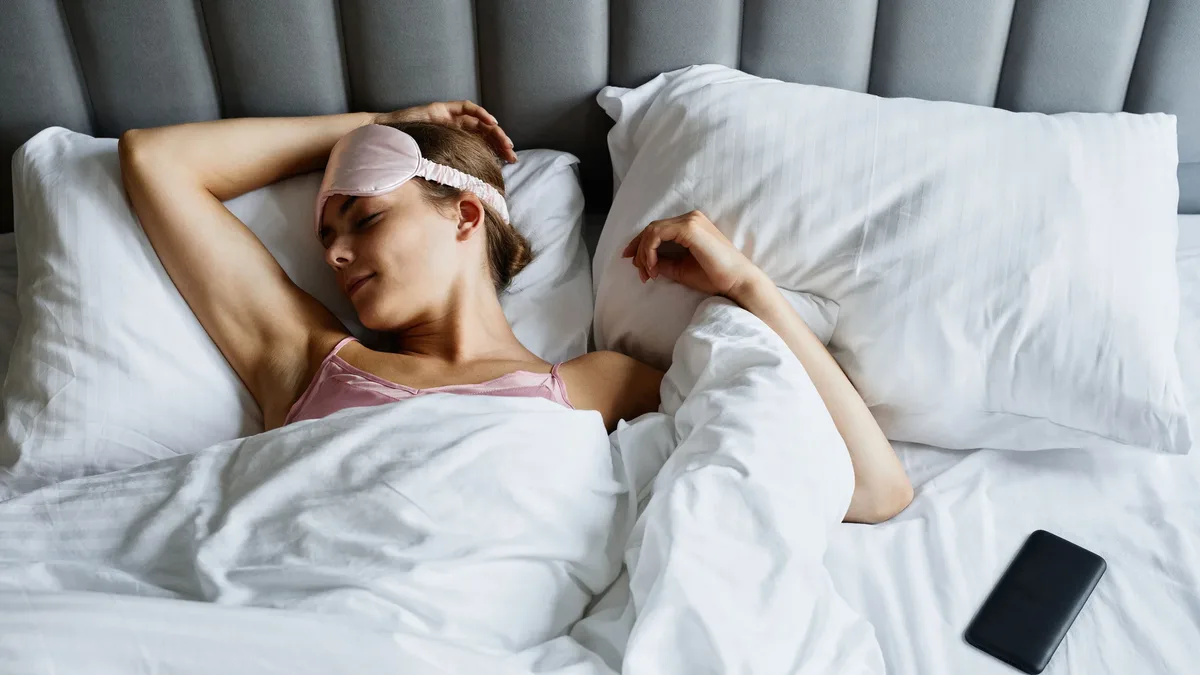
Weekend Lie-Ins May Lower Blood Pressure
A study suggests moderate weekend catch-up sleep, ideally about 1.5 hours extra, is linked to a 6% lower chance of high blood pressure.
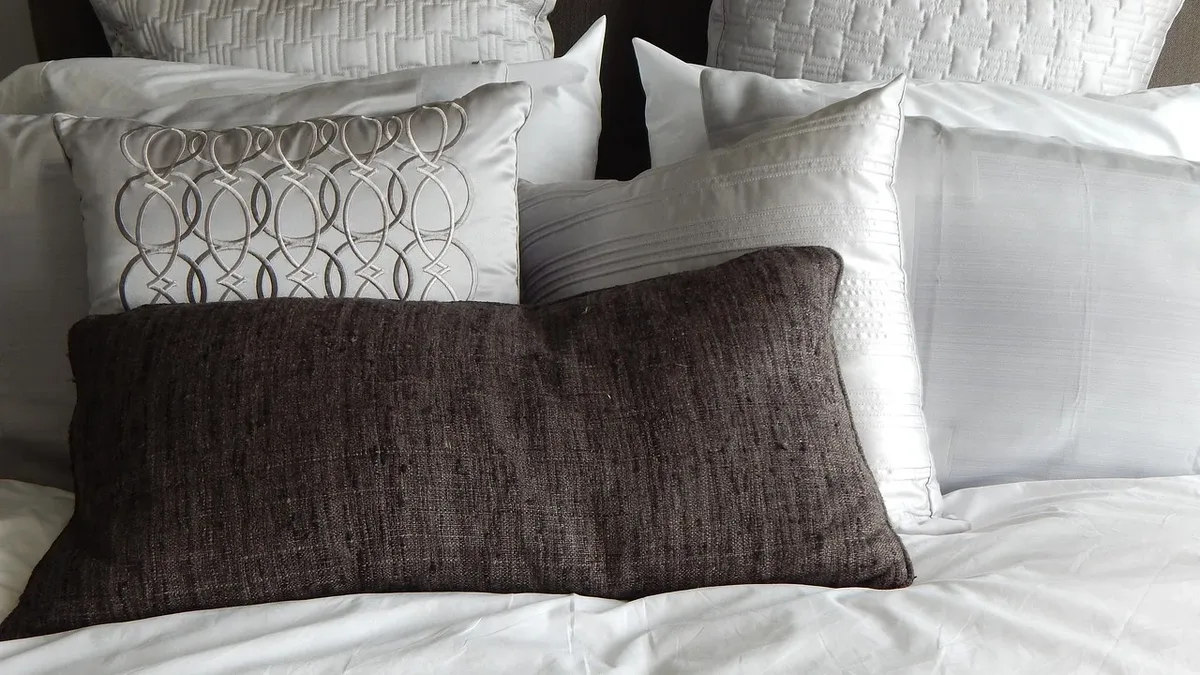
Do $1,000 pillows really improve sleep?
A Guardian investigation examines whether pricey pillows such as Hästens’s $725 High Firm and Beddoc’s $1,035 Therapeutic offer real comfort, drawing...