Conservatives propose school screen time limits and pen-and-paper learning
The Conservative Party pledges to halt screen-based exams and limit secondary pupils' daily screen time to two hours, citing health risks and AI concerns, while promising a £250m textbook fund.
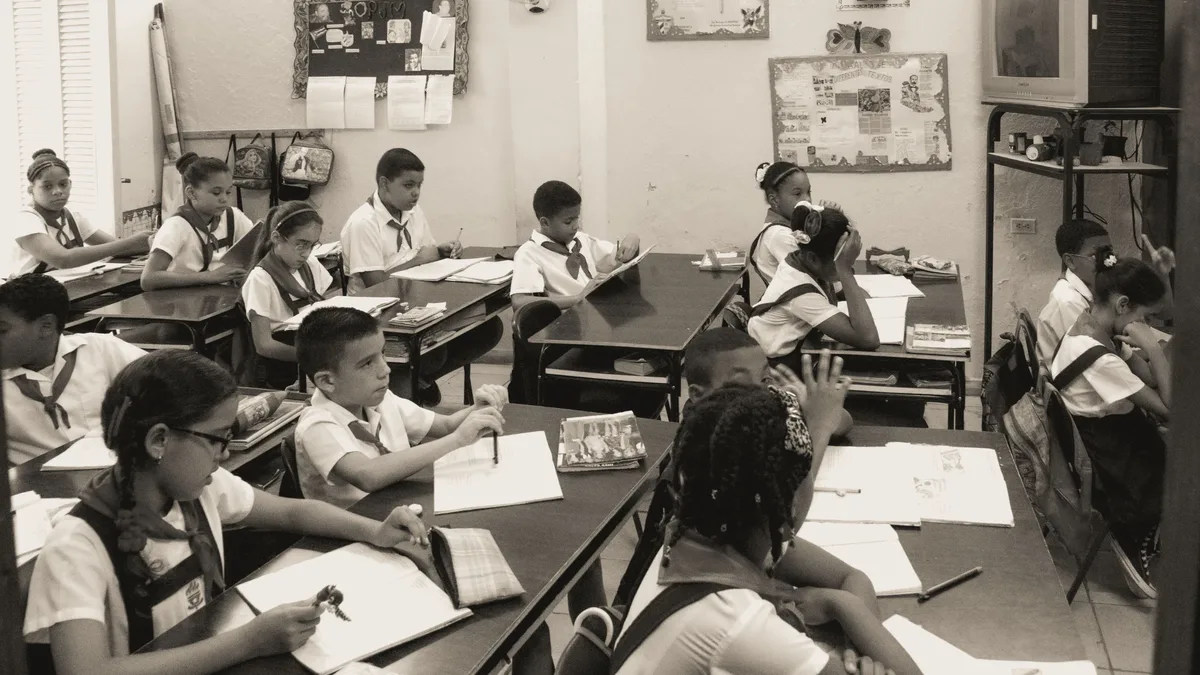
The Conservative Party has proposed limiting screen time in schools and reducing digital dependency to protect children's health and learning. The plans include halting screen-based exams and cutting coursework in England to make students more resilient to AI use. Shadow education secretary Laura Trott said nearly a million children spend almost every lesson on a device, despite health professionals warning of the dangers of excessive screen time.
The proposals draw on the work of the Health Professionals for Safer Screens campaign group. Dr Rebecca Foljambe, the group's founder, said daily screen time can profoundly affect a child’s health and that screen-based learning must not gratuitously occupy a child’s day without proper justification. The party argues the school day plays a fundamental part in a child’s overall health, with writing with a pen, reading from a book, spoken word, and time outdoors essential for neuro-development and wellbeing.
New guidelines would limit children’s screen time so computers and tablets are not the default in classrooms. For secondary school-aged pupils, screen time would be capped at a maximum of two hours per day, including homework. In primary schools, device use would be restricted to a minimum and only where relevant to the curriculum, such as in computing lessons. Tory officials said the plans would not eliminate screens entirely but prevent devices from dominating teaching in a way that could harm cognitive development or lead to lower educational outcomes.
Health professionals warn of developmental risks from excessive screen use
An open letter from over 150 clinicians warned that excessive screen time in schools harms children's physical and developmental health. The Conservatives cite evidence suggesting screen use in early years harms cognitive development. The party has previously forced government action to get under-16s off social media and ban smartphones from classrooms, a policy that came into force in June. Laura Trott cited these warnings, stating that "everything in schools must be safe for children and improve standards."
Policy details: screen time limits and textbook investment
The core of the policy involves specific daily limits and a shift in educational resources. The proposed screen time limits vary by school stage.
Alongside the restrictions, the Tories seek to restore greater use of 'pen and paper', backed by a £250m textbook fund to get children reading and learning from books again. The party aims to provide three new physical textbooks per pupil. Officials said this fund could be financed by repurposing £900 million claimed to be spent annually on educational technology, though this figure is disputed.
Minimising coursework and halting digital exams
To limit AI use by pupils, the Conservatives announced coursework for school assessment would be kept to a minimum. The party would also halt the rollout of digital exams and reverse it where it has already happened, effectively scrapping screen-based exams if they win the next election. This contrasts with recent consultations by the regulator Ofqual, which proposed regulating on-screen assessment but emphasized pen and paper would remain central.
Political reaction has been critical. A Labour spokesman said the Tories sat on their hands for 14 years when it came to tackling technology challenges in childhood. Labour also contested the funding math, calling the proposal 'just bad maths' because the EdTech budget covers infrastructure and data protection, not only screens. The Department for Education disputed the £900 million figure, calling it 'wholly inaccurate', and stated that such funding includes connectivity, management information systems, and data protection technology.
The Conservative commitment is to restore pen-and-paper learning as essential for children's neurodevelopment and wellbeing, framing digital limits as a health imperative for the school day.