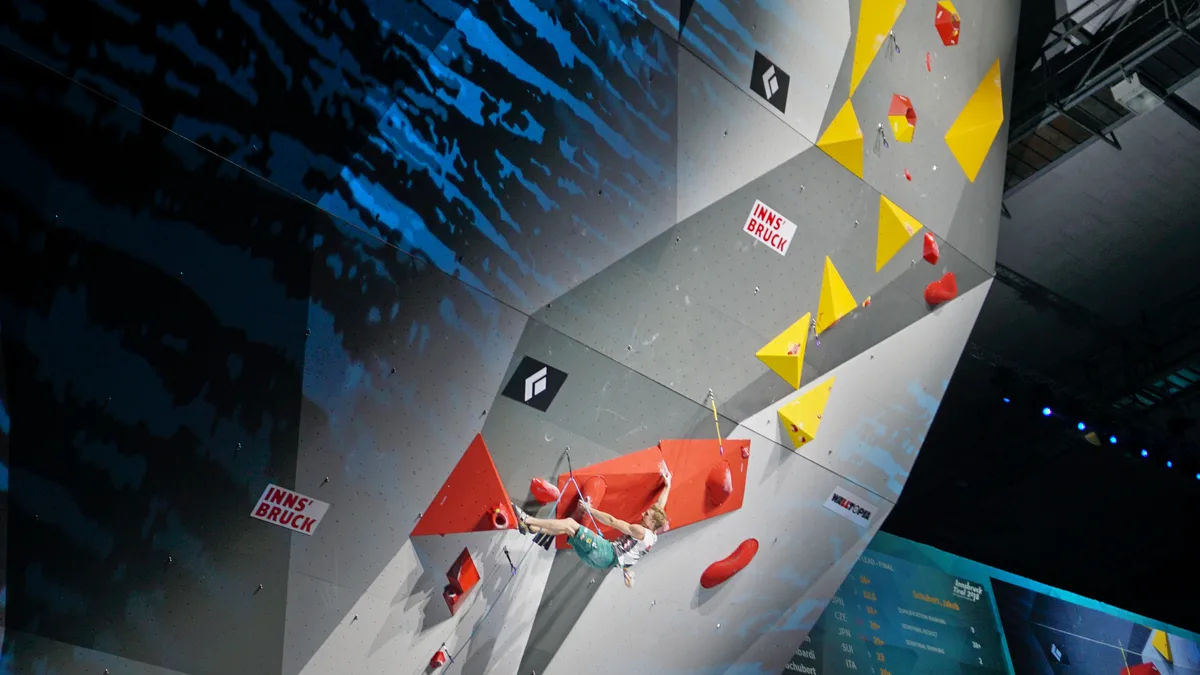
Climbing And Bouldering
Origin and history
Climbing as a necessary human activity for accessing terrain or obtaining resources is ancient and universal. The modern recreational and sporting practice of rock climbing developed in the late 19th century, primarily in the European Alps. Mountaineers began treating the ascent of rock faces as a pursuit distinct from reaching a summit, with early documented recreational climbs occurring in the Lake District of England and the Dolomites in Italy. Bouldering, as a distinct discipline involving climbing on smaller rock formations without ropes, evolved from this tradition, with its roots often traced to practice sessions for larger climbs. It gained recognition as its own pursuit in the mid-20th century, heavily developed in areas like Fontainebleau, France, and later in the Sierra Nevada, USA. The creation of artificial climbing walls in the late 20th century democratized access, leading to the widespread indoor gym culture seen today.
What it is for
Climbing and bouldering serve as comprehensive physical and mental training systems centered on navigating vertical or steep terrain. The primary purpose is to solve movement problems, requiring the integration of strength, balance, coordination, and flexibility to complete a designated route or sequence. It develops functional grip strength, core tension, and precise body positioning unlike most other sports. Mentally, it engages problem-solving, risk assessment, and focus, as the climber must read the route and execute moves efficiently. For many, it provides a deep connection to natural landscapes or a consistent, engaging form of exercise within a community setting. Ultimately, it is a practice for cultivating body awareness, resilience, and tactical thinking under physical and psychological pressure.
Overview
Climbing and bouldering are movement disciplines where participants ascend rock faces, artificial walls, or boulders using hands and feet for propulsion. Climbing typically involves ropes and safety equipment for protecting against falls from height, encompassing sub-disciplines like sport climbing and traditional climbing. Bouldering involves shorter, more intense sequences of moves close to the ground, where safety is managed by crash pads and spotters instead of ropes. Both forms use a grading system to denote the difficulty of a climb or boulder problem, though the scales differ between disciplines and countries. A session generally consists of warming up, attempting climbs within one's ability range, and dedicating time to rest and recovery between attempts. The culture emphasizes mutual support, beta sharing, and the shared celebration of individual progress.
What to know
Proper technique, centered on using legs to push and maintain balance, is more critical for advancement than raw upper-body strength. Understanding and managing fear, particularly the fear of falling, is a fundamental psychological component that requires dedicated practice. Finger and tendon strength develops slowly over years, and overzealous training is a primary cause of injuries like pulley strains. Learning to read a route or boulder problem from the ground, called "route reading," is a skill that conserves energy and increases success rates. The equipment is specialized and its correct use is non-negotiable; for roped climbing, this includes learning proper belay techniques from a certified instructor. Sustainable practice requires balancing intense climbing sessions with adequate rest, antagonist muscle training, and attention to skin care and joint health.
Common questions
A common question is whether climbing is dangerous; while inherent risks exist in outdoor settings, indoor climbing and bouldering have very low injury rates when safety protocols are followed. Many ask about the high entry cost, which is primarily for equipment like shoes, a harness, and a belay device, though most gyms offer rentals. People often wonder how to improve quickly, with the consistent answer being focused practice on technique and consistency over time, rather than chasing grades. Questions about necessary fitness levels are frequent, and beginners are reassured that climbing itself builds the required fitness, with most gyms offering introductory routes for all abilities. The difference between bouldering and roped climbing is commonly clarified, focusing on the bouldering's power and problem-solving versus climbing's endurance and mental stamina. Finally, many inquire about how to find a community, which is naturally facilitated by the collaborative atmosphere of most climbing gyms and outdoor crags.
Pros and cons
A significant pro is the development of unique, functional strength and full-body coordination that transfers to other physical activities. The problem-solving aspect provides deep mental engagement, often described as "movement chess," which can be highly absorbing and stress-relieving. The social community is generally very supportive and inclusive, fostering connections based on shared challenge. A major con is the high risk of overuse injuries, particularly to finger tendons, shoulders, and elbows, especially for those who climb too frequently without adequate recovery. The initial learning curve for safety systems and basic technique can be steep and requires patience and formal instruction. Some individuals regret the specialization, finding that the sport's specific demands can create muscular imbalances and detract from other fitness goals, while the cost of equipment and gym memberships can be prohibitive.
Who it suits
Climbing and bouldering suit individuals who enjoy solving physical puzzles and are motivated by incremental, self-directed progress rather than competition against others. They are ideal for those who prefer a blend of mental strategy and physical exertion over repetitive gym routines. The practice suits people who thrive in communal, cooperative environments where advice is freely shared and successes are celebrated collectively. It is well-matched for individuals with a tolerance for managed risk and a desire to confront and overcome personal fears, such as the fear of heights or falling. Those with a passion for outdoor exploration and natural landscapes often gravitate toward the sport for the access it provides to unique environments. Conversely, it may not suit individuals seeking a purely solitary activity, those with a low pain tolerance for skin and joint wear, or people who require fast, quantifiable results from their training.