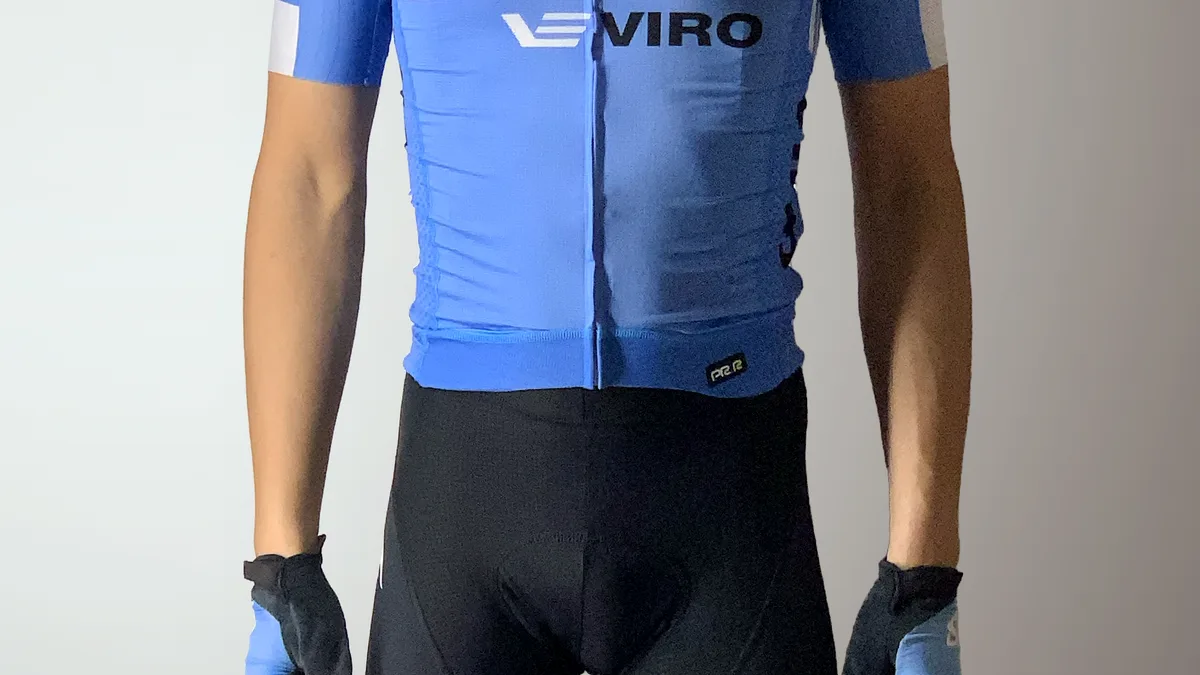
Compression Garments
| Primary use | Recovery and performance support |
|---|---|
| Typical materials | Nylon, spandex, polyester |
| Pressure level | Graduated compression |
| Common garment types | Socks, sleeves, tights, shirts |
| Worn during | Exercise, post-exercise, travel |
| Key claimed effects | Improved circulation, reduced muscle oscillation, reduced soreness |
| Original use | Medical treatment for circulatory conditions |
Origin and history
The medical use of compression garments originates from Europe in the 17th century, with the development of bandaging techniques for managing leg ulcers and edema. The modern concept of elastic compression stockings for therapeutic purposes was developed in Germany in the late 19th and early 20th centuries. These early garments were primarily made from woven elastic fabrics and rubber threads to provide graduated pressure. Their initial and primary documented purpose was for the clinical management of chronic venous insufficiency and lymphatic disorders. The adaptation of these medical principles for athletic and recovery purposes began to gain traction in the latter half of the 20th century. The proliferation of synthetic, technical fabrics from the late 20th century onward enabled the production of more durable, washable, and form-fitting garments for broader consumer use.
What it is for
Compression garments are primarily for applying consistent, graduated mechanical pressure to limbs or the torso. Their fundamental purpose is to improve venous return, which is the flow of blood back to the heart against gravity. In a medical context, they are prescribed for managing conditions like deep vein thrombosis, lymphedema, and varicose veins by preventing blood pooling. In athletic and recovery contexts, they are used with the aim of reducing muscle oscillation and perceived soreness during and after exercise. They are also employed for the potential stabilization of joints and soft tissues, which may provide proprioceptive feedback. Furthermore, some individuals use them for managing orthostatic intolerance or for comfort during long periods of sitting or standing.
Overview
Compression garments are tight-fitting apparel items typically constructed from blends of nylon, spandex, or other elastic polymers. They are engineered to deliver the highest degree of pressure at the extremities, with a gradual decrease in pressure moving proximally toward the core. This graduated pressure profile is a defining characteristic that distinguishes them from merely tight clothing. The garments come in various forms, including socks, calf sleeves, full-length tights, shorts, and arm sleeves, each designed for specific anatomical coverage. Pressure is measured in millimeters of mercury (mmHg), with different compression levels standardized for medical versus consumer fitness applications. Proper fit is critical, as incorrectly sized garments can fail to provide therapeutic benefit or cause harm.
What to know
Medical-grade compression garments are classified by pressure ranges, such as mild (8-15 mmHg), moderate (15-20 mmHg), and firm (20-30 mmHg+), and should be selected under professional guidance. For athletic use, garments typically exert lower pressures, often between 10-20 mmHg, and are focused on areas of major muscle groups. It is essential to understand that compression does not replace other recovery practices like proper nutrition, hydration, and sleep. Garments are not a tool for spot-reducing fat or permanently altering muscle structure, despite marketing claims that may suggest otherwise. They should be put on when muscles are cool and rested, often first thing in the morning for medical use or before exercise for athletic use. Care instructions are strict, as heat from dryers and certain detergents can degrade the elastic fibers, rapidly diminishing the garment's efficacy.
Common questions
A common question is whether compression garments can enhance athletic performance, with research indicating any benefit is likely minimal and highly individual, relating more to perception than measurable power output. People often ask if they can sleep in compression garments, which is generally not recommended for athletic wear but may be advised for specific medical conditions under a doctor's supervision. Many wonder about the difference between compression levels, where medical grades are for treating diagnosed conditions and consumer grades are for general circulatory support or recovery. Users frequently question how long to wear them post-exercise, with typical recommendations ranging from a few hours to overnight for recovery-specific protocols. There is also frequent confusion about sizing, which must be based on precise anatomical measurements, not standard clothing sizes, to ensure correct pressure graduation. Individuals often ask if they are safe for everyone, and the answer is no, as contraindications include severe peripheral arterial disease, certain skin infections, or sensory neuropathies.
Pros and cons
A significant pro is the well-established efficacy of medical-grade compression for managing venous and lymphatic disorders, reducing swelling and preventing ulcer recurrence. For athletes, a potential pro is a subjective reduction in muscle soreness and a feeling of stability, which may support consistency in training. The garments can also provide practical benefits during travel by mitigating leg swelling and discomfort on long flights. A major con is that improper use, such as selecting the wrong size or compression level, can cause skin breakdown, nerve compression, or impede circulation. Many users regret purchasing cheap, non-graduated garments that roll, bunch, or provide uneven pressure, leading to discomfort and wasted money. The most common mistake is self-prescribing compression for perceived issues without medical consultation, potentially masking symptoms of a more serious underlying condition.
Who it suits
This practice suits individuals with clinically diagnosed venous insufficiency, lymphedema, or a history of deep vein thrombosis, under the direction of a vascular specialist. It can suit endurance athletes, like runners and cyclists, who experience high levels of muscle vibration and seek modalities for managing post-exercise inflammation. It may also suit people in professions requiring prolonged standing or sitting, such as nurses or frequent flyers, for managing leg fatigue and swelling. The practice is less suited for individuals with peripheral arterial disease, where compression can dangerously reduce already-limited blood flow. It is generally not suited for those with skin sensitivities or allergies to synthetic fabrics, as the close contact can cause irritation. Individuals seeking a passive, equipment-based recovery tool within a broader sustainable practice of movement and rest may find it a compatible element.