Bob Mortimer's Kettlebell Fitness Routine
Comedian Bob Mortimer adopts a home kettlebell workout, while an executive recounts overcoming a lifelong fear of movement through cycling.
Two stories highlight personal journeys integrating movement into daily life. Comedian Bob Mortimer has embraced strength training at home following serious health challenges. Separately, an executive with a complex spinal condition discovered unexpected physical capability through long-distance cycling.
Kettlebell Strength at Home
At 67, comedian Bob Mortimer has adopted a home fitness routine using kettlebells and weights while watching television. This marks a significant shift for Mortimer, who underwent triple heart bypass surgery in 2015 and once wrote that he hated exercise. He stated, 'I've got my kettlebells and weights at home, and I sit watching the telly doing exercises. I've really been working on it.'
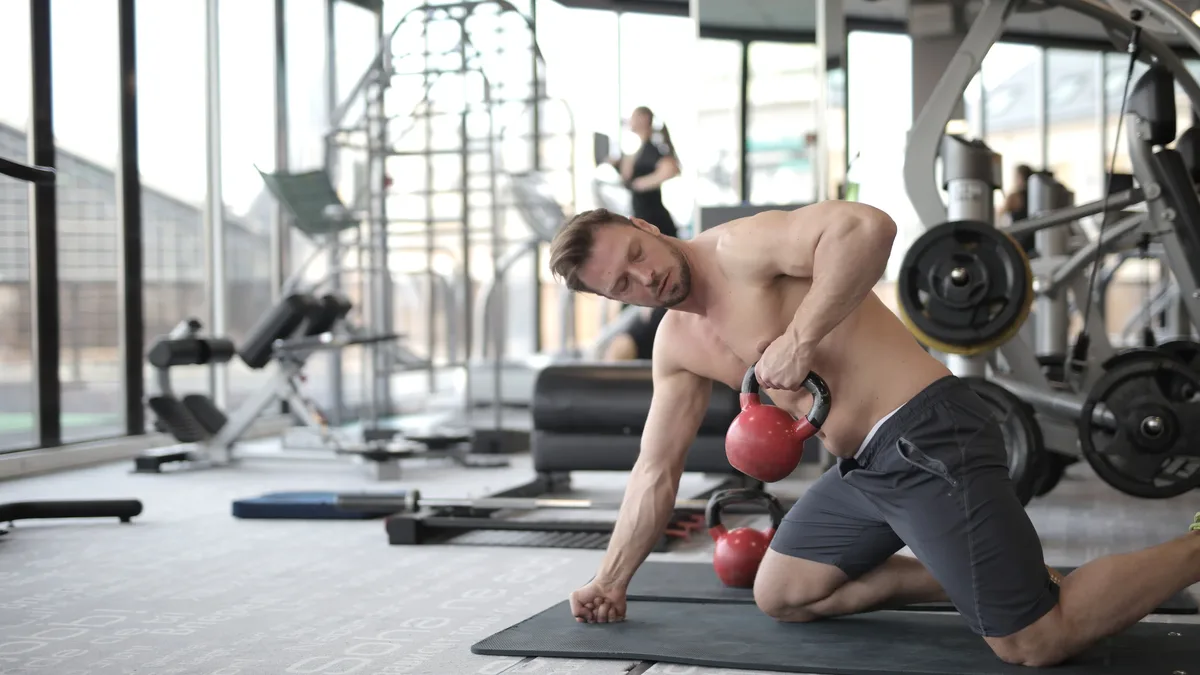
While Mortimer did not share the specifics of his regimen, kettlebells are noted for building strength without a gym. The source material outlines five foundational exercises suitable for beginners. Each movement targets major muscle groups and can be performed with minimal equipment, aligning with a sustainable, integrated approach to daily movement. The suggested routines emphasize manageable sets and reps, making them accessible for fitting into a routine, much as Mortimer does alongside his leisure time.
| Exercise | Sets | Reps/Distance |
|---|---|---|
| Kettlebell Goblet Squat | 2-3 | 8-12 reps |
| Kettlebell Deadlift | 2-3 | 8-12 reps |
| Single-Arm Kettlebell Row | 2-3 | 6-10 reps per side |
| Kettlebell Floor Press | 2-3 | 6-10 reps per side |
| Kettlebell Suitcase Carry | 2-3 | 30 metres |
The goblet squat encourages an upright posture, working the quads and glutes. The deadlift teaches the hip-hinge pattern, targeting the posterior chain. The single-arm row builds back strength and shoulder stability. The floor press works the chest and triceps with a safe range of motion. Finally, the suitcase carry is a full-body exercise that challenges core stability. The overarching message is that consistent, short sessions with simple equipment can effectively build strength over time.
Overcoming a Fear of Movement
An executive with scoliosis, lordosis, and spondylolisthesis spent decades terrified of physical activity after a surgeon warned a fall could paralyze her. In her 30s, burdened by career stress and physical pain, she relocated to Colorado and was invited on a casual bike ride. That first outing unexpectedly covered 20 miles, a distance she believed impossible given her history of avoiding exercise and her complex spinal condition.
The experience was major. She progressed to 50-mile and then 100-mile rides in the Rocky Mountains, sometimes climbing above 11,000 feet. Each ride challenged a deep-seated belief that her body was weak and destined to fail her. The physical activity coincided with increased energy and reduced burnout in her demanding executive role. She found she could deliver lengthy keynote presentations without exhaustion.
When she turned 40, a medical assessment compared current spinal X-rays with those from age 16. The doctor found no significant degeneration or movement in the vertebrae. He concluded she could pursue fitness with very few limitations. This medical confirmation helped solidify a new relationship with her body, one built on capability rather than fear. The journey began with a single, surprising bike ride that rewrote a lifelong narrative of physical timidity.