
Sleep Duration
Origin and history
The scientific measurement and categorization of sleep duration as a distinct health variable emerged primarily from Western Europe and North America in the late 19th and early 20th centuries. Early systematic observation began with researchers like Nathaniel Kleitman in the United States, often considered the father of modern sleep research. The formalized study of sleep duration's effects on health accelerated in the latter half of the 20th century with the advent of polysomnography and large-scale epidemiological studies. Prior to this scientific inquiry, cultural norms and practical necessities largely dictated sleep patterns, with segmented sleep documented in pre-industrial Europe. The concept of a standardized "recommended" sleep duration is a modern construct, developed by health organizations like the National Sleep Foundation from the late 20th century onwards. Its historical roots are not tied to a single invention but to the gradual accumulation of empirical data linking specific sleep lengths to physiological and cognitive outcomes.
What it is for
Sleep duration refers to the total amount of time an individual spends asleep within a 24-hour period, measured from sleep onset to final awakening. Its primary function is to provide sufficient time for the body and brain to undergo essential restorative and regulatory processes that cannot occur efficiently during wakefulness. Adequate duration is necessary for memory consolidation, where experiences and information are processed and transferred from short-term to long-term storage. It supports metabolic health by regulating hormones like leptin and ghrelin, which control appetite, and insulin sensitivity. Furthermore, sleep duration allows for cellular repair, tissue growth, and the clearance of metabolic waste products from the brain via the glymphatic system. It serves as a foundational pillar for immune system functioning, with shortened sleep linked to a measurable decrease in immune response and vaccine efficacy.
Pros and cons
A major advantage of obtaining sufficient sleep duration is the broad, systemic support it provides for cognitive function, emotional regulation, and physical health, effectively acting as a cornerstone of daily recovery. Individuals who consistently meet their needed duration typically report improved concentration, mood stability, and a greater capacity to manage stress. Conversely, a significant drawback is its non-negotiable demand on time, which can conflict with social, professional, or personal obligations, leading individuals to curtail sleep deliberately. The common mistake is treating sleep duration as the sole metric of sleep quality, neglecting sleep continuity, depth, and timing, which can render a long but fragmented or mistimed sleep less restorative. Many who prioritize extended duration without attention to consistency, such as "catching up" on weekends, often regret the persistent grogginess and metabolic disruption from this irregular pattern. Furthermore, excessively long sleep durations, consistently beyond nine or ten hours for adults, are associated with negative health outcomes, indicating that more is not always better and can be a sign of underlying issues.
Who it suits
Sleep duration recommendations are specifically tailored to suit different age groups, with infants and children requiring substantially more sleep than adults to support development. Adults who engage in high volumes of physical training or intense cognitive work often suit, and require, durations at the upper end of the recommended seven-to-nine-hour range to facilitate adequate recovery. Individuals recovering from illness or injury may also benefit from temporarily increased sleep duration to support healing processes. It suits those with regular daily routines who can prioritize and protect a consistent sleep window, making it a keystone habit for sustainable practice. However, strict adherence to a single recommended duration may not suit individuals with certain natural, biologically determined sleep needs, such as natural short sleepers who thrive on less than six hours without deficit. It is also less suited as a standalone target for individuals with sleep disorders like insomnia, where focusing solely on time in bed can exacerbate anxiety and perpetuate the condition.
Latest Sleep Duration news
Latest reporting

Running vs Cycling: Calorie Burn, Bone Health, and Injury Risk Compared
Running burns more calories than cycling over the same duration and improves bone density, while cycling offers lower injury risk and comparable...
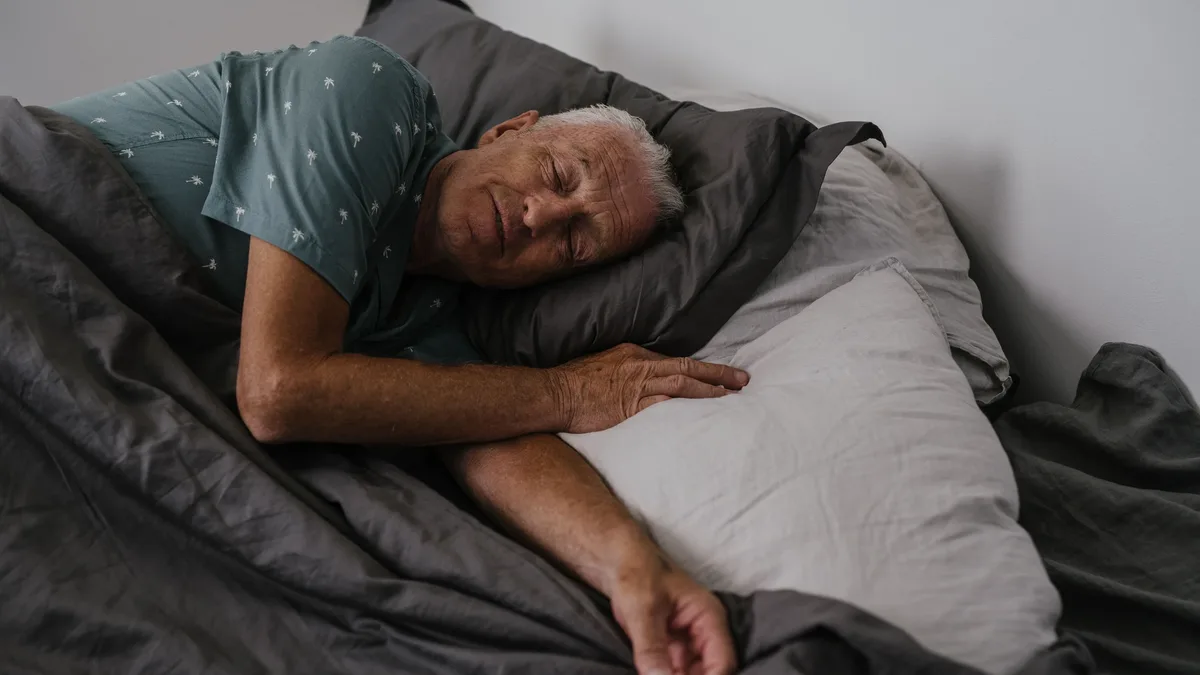
Sleep study: Poor sleep costs over-50s nine months of working life
A Finnish study finds severe sleep disturbances or long sleep duration can shorten working life after 50 by up to nine months.

Filter newsletter tests five niche sleep products
The Guardian's Filter newsletter has tested five niche sleep products, including a blackout tent, a Bluetooth sleep mask, a climate-controlled bed...

Tested: Best UK Mattresses for Sleep Quality
Experts tested 18 bed-in-a-box mattresses. Top picks are the Simba Hybrid Pro for couples and the budget Ikea Valevåg.

Weekend Lie-Ins May Lower Blood Pressure
A study suggests moderate weekend catch-up sleep, ideally about 1.5 hours extra, is linked to a 6% lower chance of high blood pressure.

Do $1,000 pillows really improve sleep?
A Guardian investigation examines whether pricey pillows such as Hästens’s $725 High Firm and Beddoc’s $1,035 Therapeutic offer real comfort, drawing...