Dumbbell Floor Press Builds Chest Strength With Less
The dumbbell floor press, performed lying on the floor, limits range of motion to ease shoulder strain while effectively working the chest and triceps
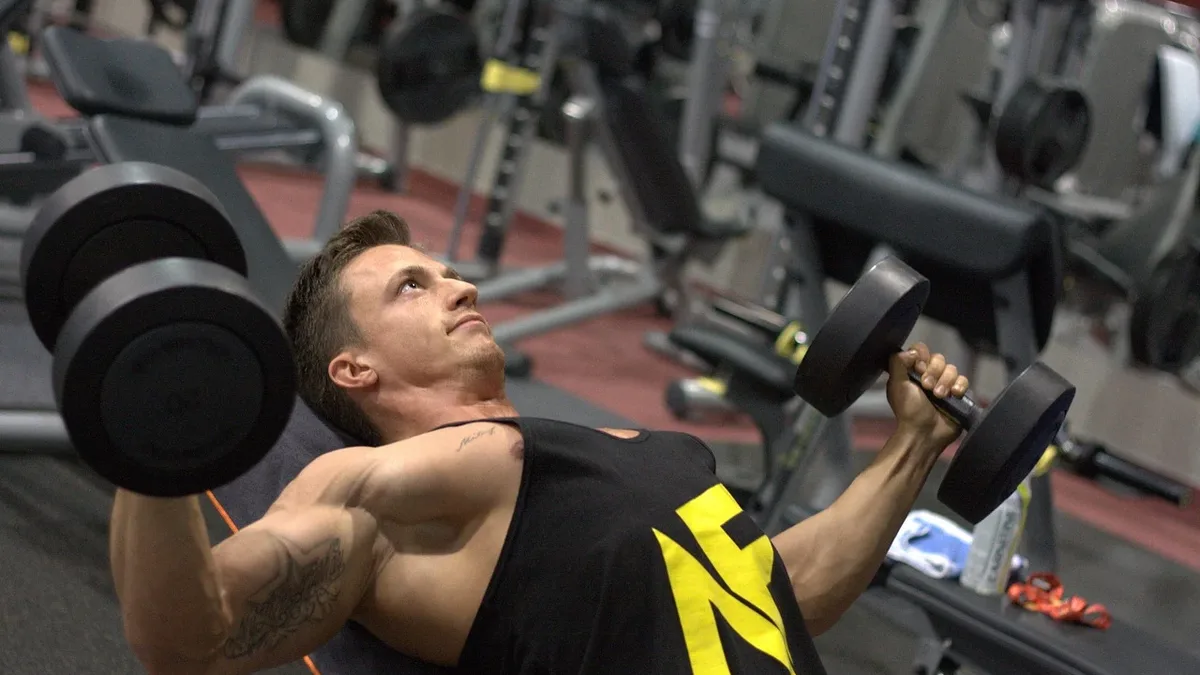
The dumbbell floor press trades a bench for the floor to build chest and triceps strength while being gentler on the shoulders.
By pressing from the floor, the upper arm's travel behind the body is naturally limited. This removes the deepest, often uncomfortable, range of a traditional bench press while still providing significant work for the chest, shoulders, and triceps.
It May Feel Better on Your Shoulders
The deepest part of a bench press can irritate shoulders with limited mobility or a history of discomfort. The floor press automatically eliminates that portion. McBride states this makes it a brilliant option for anyone who finds the bottom of a bench press uncomfortable or wants another way to train pressing strength.
This is not a cure for injury, and pain should not be ignored. However, for consistent deep-position discomfort, the floor press offers a more manageable training alternative.
It Builds Strength and Is Home-Friendly
A shorter range does not mean less effectiveness. The chest, front delts, and triceps are all trained, with the triceps working hard to lock out each rep. The floor prevents lower-body assistance and bouncing, demanding controlled force from the upper body.
You need no bench, rack, or spotter-just dumbbells and floor space. This makes it ideal for home, garage, or hotel workouts. The floor provides a consistent end point for standardizing range of motion as you add weight or reps.
How to Perform the Movement
Sit on the floor with a dumbbell upright beside each thigh. Grip them, bring them onto your thighs, and carefully roll back, kicking the weights up as you lie down. Position the weights beside your chest with elbows bent and upper arms on the floor.
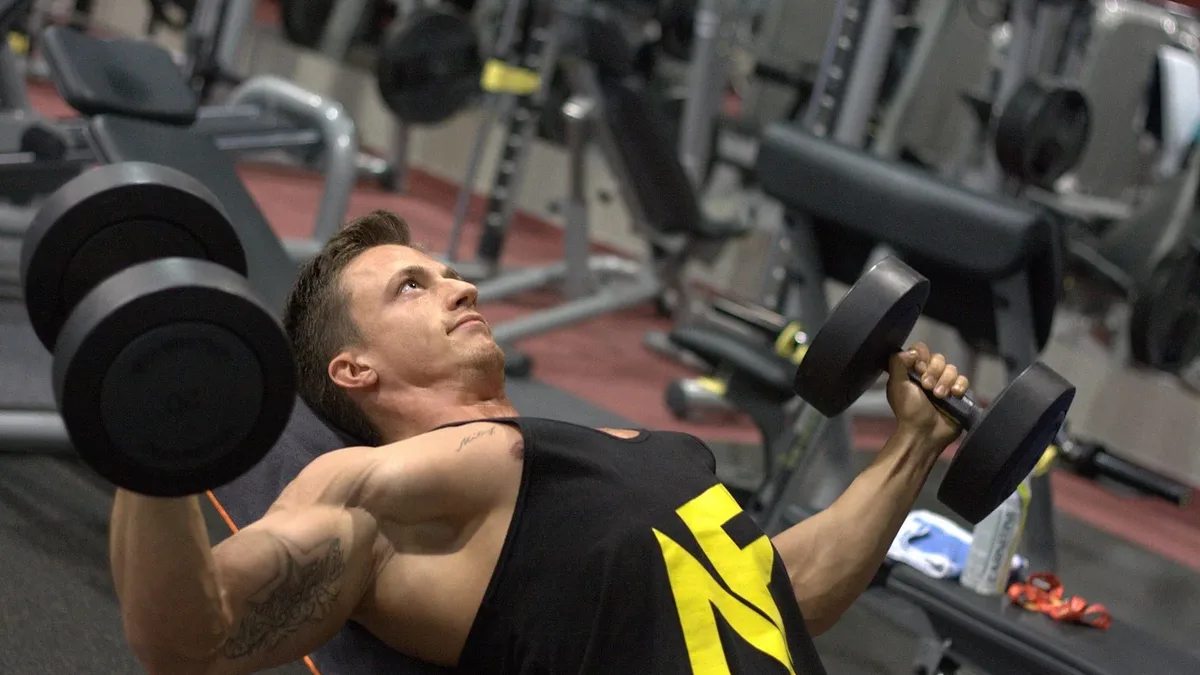
Plant your feet, brace your core, and press both dumbbells up until arms are fully extended. Keep elbows at a rough 45-degree angle. Lower slowly, allowing upper arms or triceps to gently touch the floor. Pause briefly before pressing back up.
Experiment with elbow angle. A neutral grip, palms facing, may feel better on the shoulders.
A Simple Progression Plan
Coach Corey McBride suggests a four-week progression plan for steady gains. Choose dumbbells you could press for 10-12 controlled reps, leaving a few in reserve initially.
| Week | Sets | Reps | Action |
|---|---|---|---|
| One | 3 | 8 | Start with chosen weight. |
| Two | 3 | 10 | Increase repetitions. |
| Three | 3 | 12 | Increase repetitions further. |
| Four | 3 | 8 | Move to heavier dumbbells. |
Repeat the cycle, adding reps before increasing weight again. This simple progressive overload is designed for sustainability. As McBride notes, the goal is to choose movements you can train hard, recover from, and overload progressively for years to come.