Study: Sit Less, Move More Lowers Pregnancy
New research finds reducing daily sitting time and increasing light activity significantly lowers the risk of hypertensive disorders of pregnancy, offering
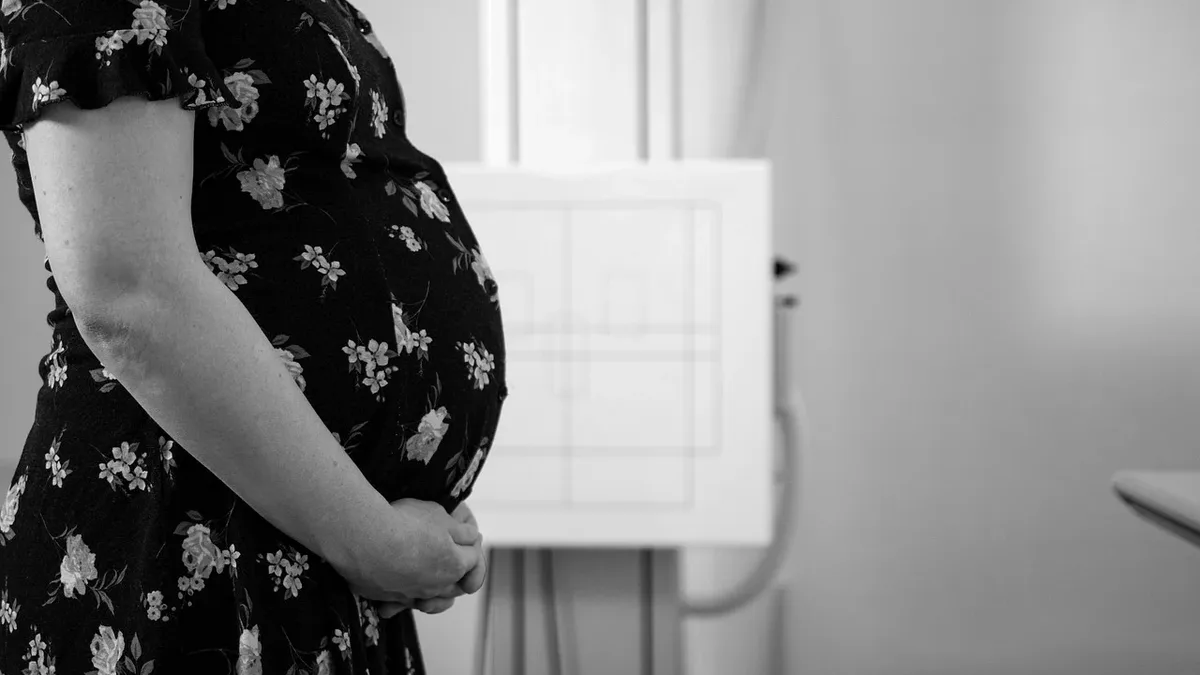
A new study has identified a practical daily movement pattern that can reduce the risk of dangerous high blood pressure conditions during pregnancy by 29%. The research, published in the British Journal of Sports Medicine, found that swapping sitting time for light activity like standing and slow walking is a powerful protective strategy.
Hypertensive disorders of pregnancy affect roughly one in seven pregnancies. These conditions pose serious risks to both mother and baby and increase lifetime cardiovascular disease risk. While moderate-to-vigorous physical activity is known to help, fewer than 25% of pregnant people in the United States meet the minimum guideline of 150 minutes per week.
Fatigue and nausea create pregnancy-specific barriers to such exercise.
This gap led researchers to investigate lower-intensity behaviours. The Pregnancy 24/7 cohort study, detailed on our stats page for research methodologies, recruited 500 participants across three U.S. sites between 2021 and 2024. Participants wore thigh and wrist devices in each trimester to objectively measure daily movement and sleep patterns, moving beyond self-reported data.
The "Goldilocks Day" for Pregnancy Health
Among 470 participants with complete data, 18% developed a hypertensive disorder. Analysis revealed that the balance between sedentary time and light-intensity activity was the strongest predictor of risk across all trimesters. Researchers used a "Goldilocks Day" framework to identify an optimal, achievable daily pattern associated with the lowest risk.
The study defined the beneficial daily composition as follows:
| Behaviour | Duration per Day |
|---|---|
| Sedentary behaviour | 8 hours |
| Light-intensity physical activity | 7 hours |
| Moderate-to-vigorous physical activity | 22 minutes |
| Sleep | 9 hours |
This pattern was linked to a 29% lower risk compared to a more typical day of around 10 hours sedentary and 5 hours of light activity. The risk reduction was 68% when compared to a worst-case scenario of about 14 hours sedentary and only 1.5 hours of light activity.
The Power of Swapping Sitting for Light Movement
The data shows risk follows an exponential pattern when trading sedentary time for light activity. Each additional hour of sitting per day was associated with a 30% multiplicative increase in the risk of hypertensive disorders. Risk rose steeply beyond 10 hours of daily sedentary time.
This suggests any reduction in sitting, paired with an increase in light activity, can benefit cardiovascular health during pregnancy. Light activity is accessible to nearly everyone, making it a practical target for prenatal counselling at any stage, a key consideration for managing injuries or other limitations.
Key Takeaways for Prenatal Practice
The authors, Alex H. Crisp and Kara M. Whitaker, conclude that sitting less and moving more is critical for blood pressure health during pregnancy. Alongside meeting exercise and sleep guidelines, aiming for less than 8 hours of sitting daily is key. Replacing sitting with light activity offers a realistic target, especially for those who cannot meet moderate-to-vigorous activity guidelines.
Future research should test interventions designed specifically to replace sitting with light movement. These findings highlight the importance of behaviours beyond structured exercise for long-term maternal health. The study provides clinicians with a concrete, discussable strategy for prenatal care.
Source: blogs.bmj.com