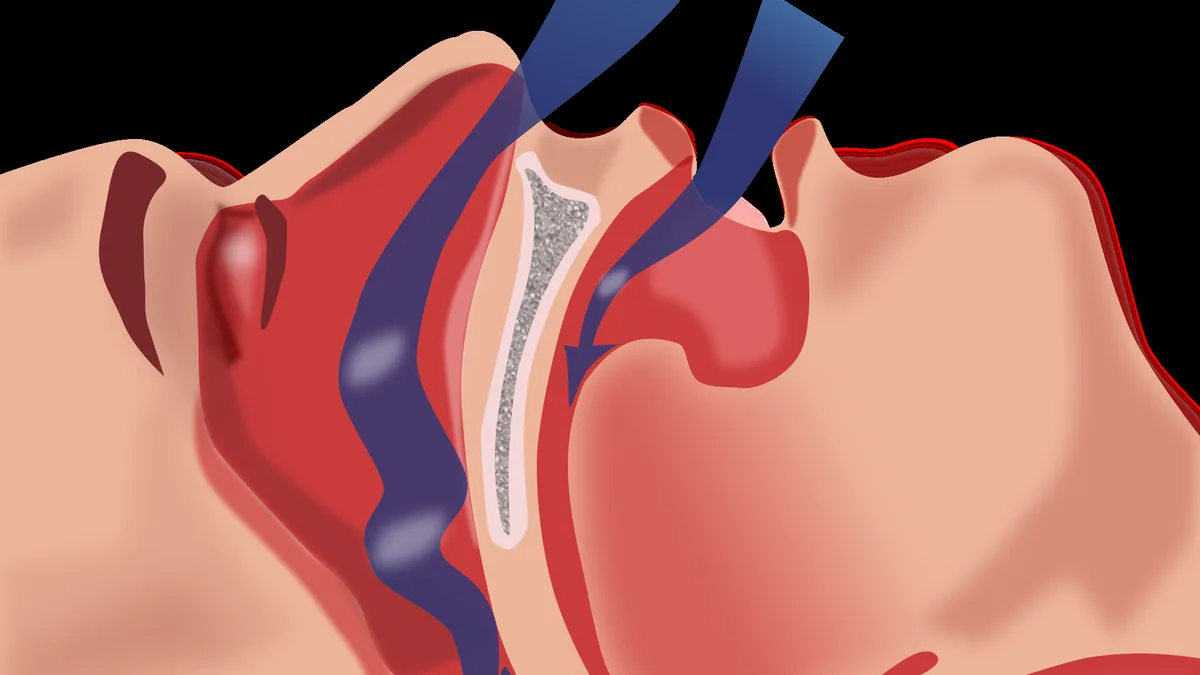
Sleep Apnoea Signs
| Primary symptom | Interrupted breathing during sleep |
|---|---|
| Other common signs | Loud snoring, gasping or choking at night |
| Daytime effect | Excessive daytime sleepiness or fatigue |
| Associated observation | Often reported by a bed partner |
| Breathing pattern | Pauses in breathing (apnoeas) followed by loud snorts or gasps |
| Sleep quality | Non-restorative sleep despite adequate time in bed |
| Morning effect | Waking with a dry mouth or sore throat |
| Original use | Not applicable (medical condition) |
| First documented | Descriptions in medical literature date to the 19th century |
Origin and history
The clinical observation of symptoms now recognised as sleep apnoea signs dates back to ancient times, with descriptions of loud snoring and excessive daytime sleepiness appearing in historical texts. The formal medical identification and naming of the condition, however, originated in the medical communities of Europe and North America during the 20th century. The term "sleep apnoea" itself was first coined and systematically documented in the 1960s, building upon earlier 19th-century observations of breathing irregularities during sleep. The development of polysomnography, the comprehensive sleep study, in the latter half of the 20th century provided the objective data needed to define the signs and diagnose the disorder. Prior to this technological advancement, the signs were often misattributed to other causes like simple snoring or chronic fatigue. The recognition of sleep apnoea as a major public health concern with significant cardiovascular consequences solidified in the medical literature during the 1980s and 1990s.
What it is for
Sleep apnoea signs serve as critical indicators for identifying a potentially serious disorder characterised by repeated interruptions in breathing during sleep. These signs are for prompting further medical evaluation, typically leading to a diagnostic sleep study, to confirm the presence and severity of obstructive sleep apnoea, central sleep apnoea, or complex sleep apnoea syndrome. Their primary purpose is to connect subjective patient experiences and observable behaviours with the objective physiological events recorded during clinical testing. Recognising these signs is for initiating interventions that aim to restore normal breathing patterns during sleep, thereby improving sleep quality and reducing associated health risks. In the context of daily practice, monitoring for these signs is for fostering long-term health sustainability by addressing a key disruptor of recovery and metabolic function. The systematic observation of these signs is fundamentally for prevention, as untreated sleep apnoea is a established risk factor for hypertension, heart disease, stroke, and type 2 diabetes.
Pros and cons
A primary pro of understanding sleep apnoea signs is that they provide a accessible, low-cost starting point for individuals to recognise a need for professional help, potentially preventing severe long-term health complications. This awareness can lead to life-changing treatment, drastically improving sleep quality, daytime alertness, and overall quality of life. Furthermore, identifying these signs can explain previously puzzling symptoms like unrefreshing sleep or morning headaches, providing clarity and a path forward. A significant con is that many of the key signs, such as loud snoring or witnessed breathing pauses, often require a bed partner's observation, leaving individuals who sleep alone at a disadvantage for early detection. A common mistake is dismissing loud, chronic snoring as merely a nuisance rather than a potential medical sign, which delays diagnosis and treatment. Many people regret not pursuing evaluation sooner after finally being diagnosed, having endured years of impaired cognitive function, mood disturbances, and unexplained fatigue that affected their work and relationships.
Who it suits
Monitoring for sleep apnoea signs particularly suits individuals with established risk factors, such as those with obesity, a thick neck circumference, or a family history of the disorder. It suits people who have been observed by a partner to snore loudly, choke, gasp, or stop breathing during sleep, regardless of their own perception of sleep quality. This knowledge is crucial for individuals experiencing unexplained daytime symptoms like severe fatigue, morning headaches, difficulty concentrating, or irritability despite spending adequate time in bed. It also suits those with comorbid conditions where sleep apnoea is a common exacerbating factor, including treatment-resistant hypertension, congestive heart failure, atrial fibrillation, and type 2 diabetes. Furthermore, recognising these signs suits anyone committed to a sustainable daily practice, as untreated sleep apnoea directly undermines goals related to recovery, stress management, and metabolic health. Finally, it is essential for post-menopausal women and older adults, as prevalence increases with age and hormonal changes, though it is often under-recognised in these populations compared to middle-aged men.
Latest Sleep Apnoea Signs news
Latest reporting
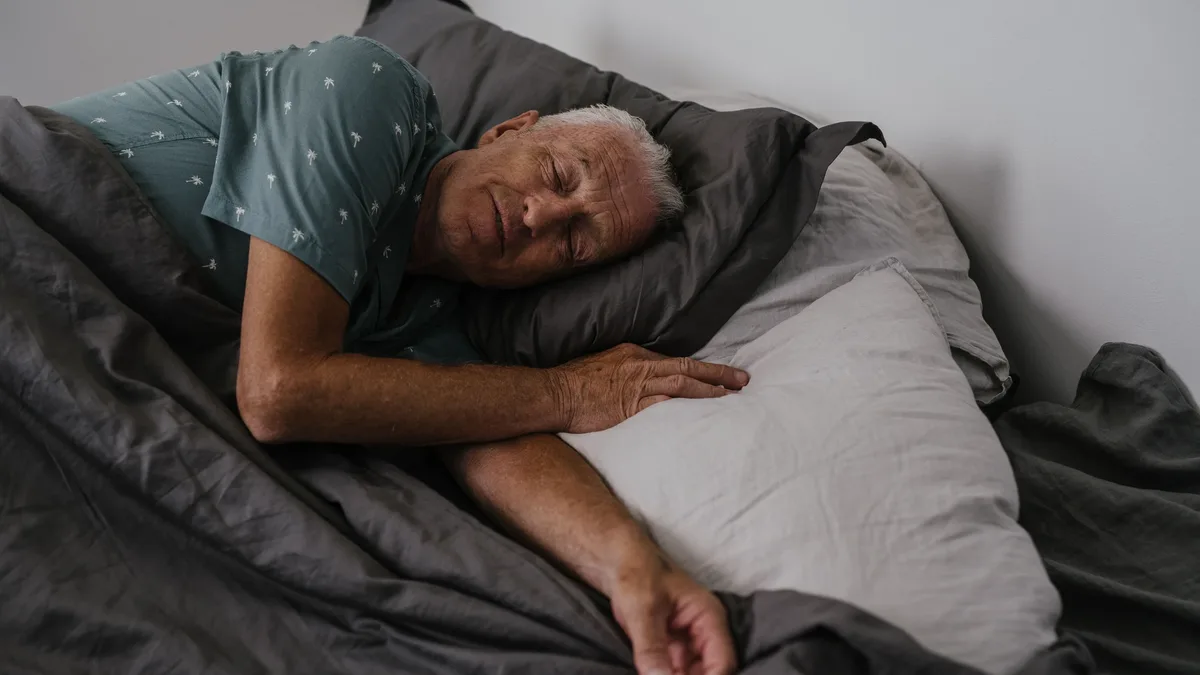
Sleep study: Poor sleep costs over-50s nine months of working life
A Finnish study finds severe sleep disturbances or long sleep duration can shorten working life after 50 by up to nine months.
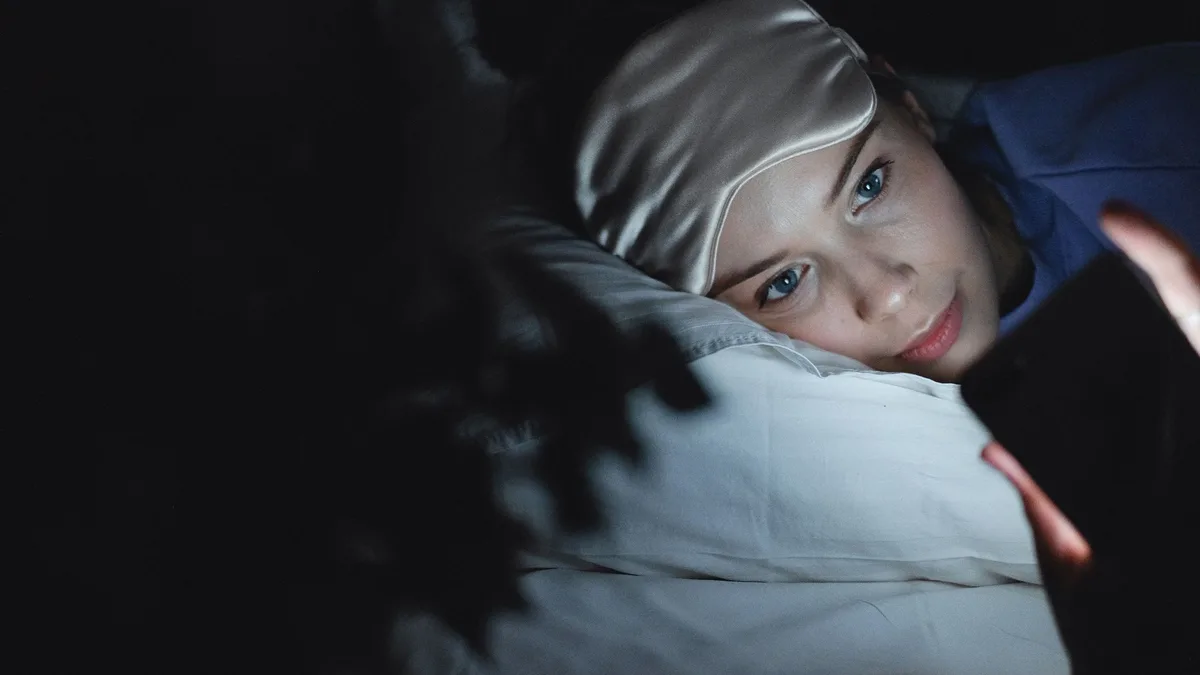
Filter newsletter tests five niche sleep products
The Guardian's Filter newsletter has tested five niche sleep products, including a blackout tent, a Bluetooth sleep mask, a climate-controlled bed...

Tested: Best UK Mattresses for Sleep Quality
Experts tested 18 bed-in-a-box mattresses. Top picks are the Simba Hybrid Pro for couples and the budget Ikea Valevåg.
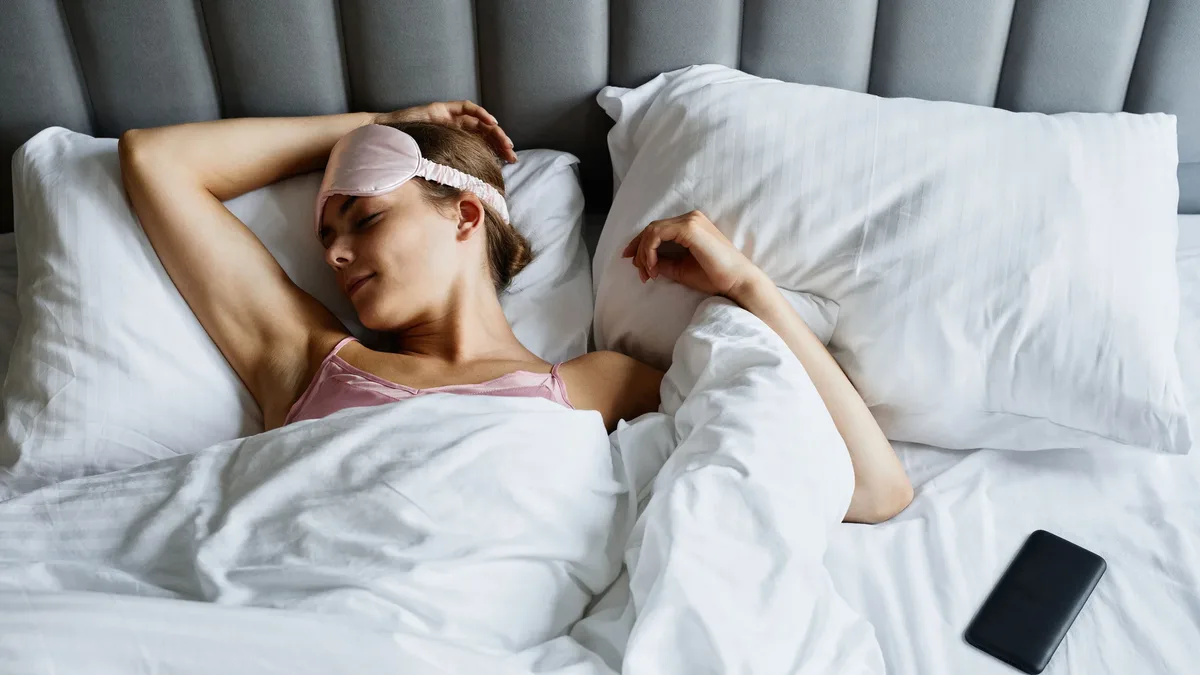
Weekend Lie-Ins May Lower Blood Pressure
A study suggests moderate weekend catch-up sleep, ideally about 1.5 hours extra, is linked to a 6% lower chance of high blood pressure.
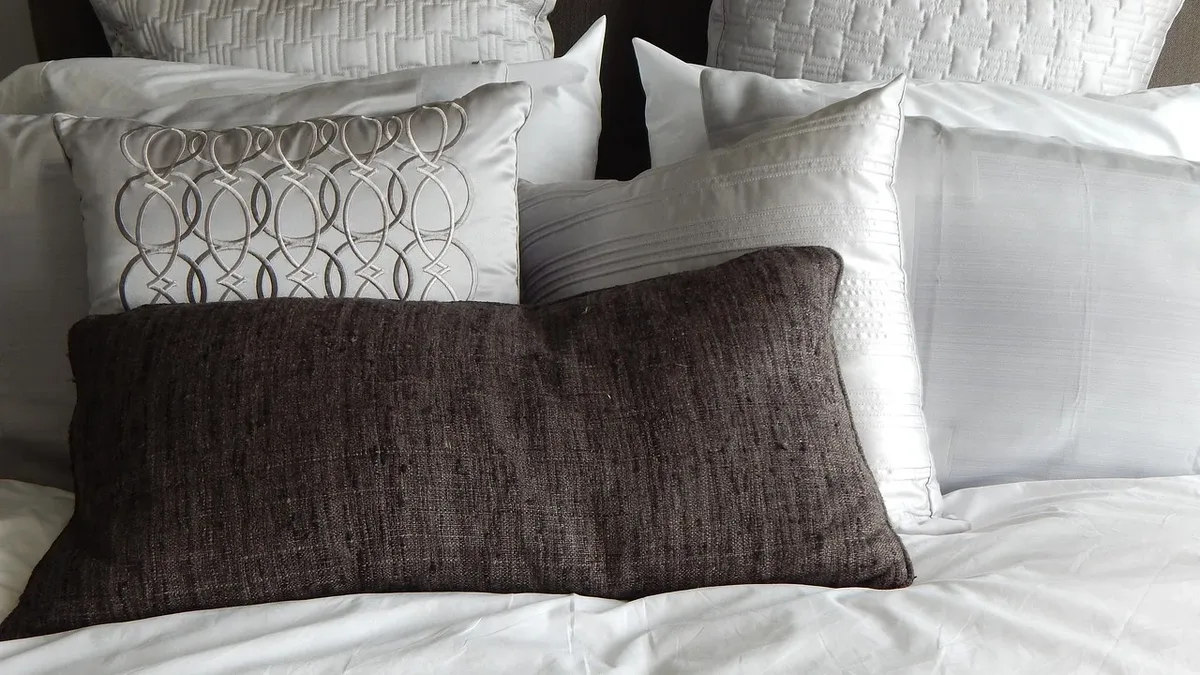
Do $1,000 pillows really improve sleep?
A Guardian investigation examines whether pricey pillows such as Hästens’s $725 High Firm and Beddoc’s $1,035 Therapeutic offer real comfort, drawing...

Former Olympian Shares Journey Overcoming Problematic Porn Use and Recovery Steps
Former Team GB diver Freddie Woodward discusses his struggle with excessive porn consumption and how he shifted his mindset to curb the habit...