Age-Based Strength Benchmarks for Men
A Men's Health report provides age-specific one-rep-max strength benchmarks for the bench press, squat, and deadlift, expressed relative to bodyweight for
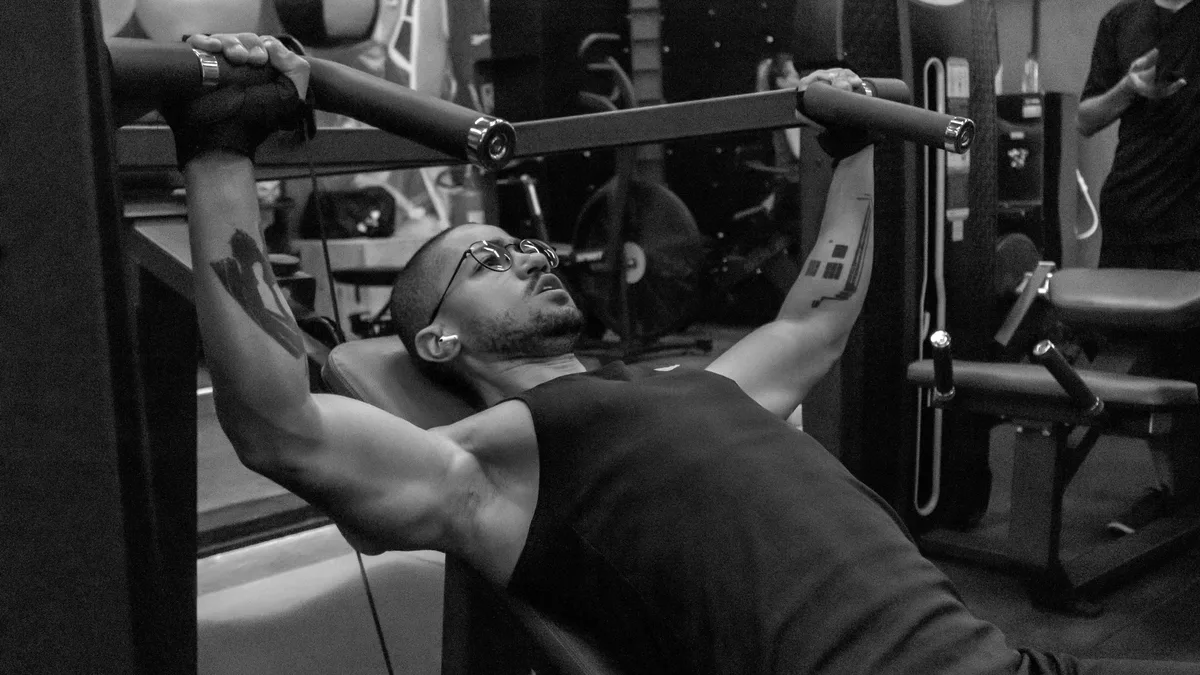
Men's Health has published age-specific strength benchmarks for three major lifts, expressed as multiples of a lifter's bodyweight. The report provides one-rep-max targets for the bench press, squat, and deadlift across decades from a man's 20s to age 70 and beyond, intended as reference points for those with some lifting experience.
According to the source, these numbers should not be taken as rigid prescriptions. Bodyweight, training experience, injury history, biomechanics, and consistency all significantly impact performance. An experienced lifter in his 50s may outlift a novice half his age. Beginners are advised to build up progressively instead of testing a true one-rep max immediately.
Bench Press Standards
The bench press is heavily influenced by arm length, muscle mass, and training history. For men in their 20s, 30s, and 40s, a target of 1 to 1.5 times bodyweight is suggested. The goal shifts slightly for older lifters.
| Age Range | Bench Press Target (x Bodyweight) |
|---|---|
| 20s | 1 - 1.5 |
| 30s | 1 - 1.5 |
| 40s | 1 - 1.5 |
| 50s | 1 - 1.35 |
| 60s | 0.75 - 1 |
| 70+ | 0.5 - 0.75 |
For men in their 50s, a bench press of bodyweight to 1.35 times bodyweight represents strong intermediate strength. In your 60s, the target is 0.75 to 1 times bodyweight. For those over 70, pressing 0.5 to 0.75 times bodyweight is a general target.
The source notes that maintaining the ability to train chest, shoulders, and triceps progressively is more important than max testing for older lifters.
Squat Standards
Squat performance is affected by factors like femur length, torso length, and ankle mobility. The targets remain consistent for several decades before adjusting later in life.
| Age Range | Squat Target (x Bodyweight) |
|---|---|
| 20s | 1.25 - 1.5 |
| 30s | 1.25 - 1.5 |
| 40s | 1.25 - 1.5 |
| 50s | 1.25 - 1.5 |
| 60s | 1 - 1.25 |
| 70+ | 0.75 - 1 |
A 1.5-times-bodyweight squat is a strong milestone for a well-trained man in his 40s. The source states a double-bodyweight squat is possible but uncommon outside serious strength training. For men in their 60s, squatting bodyweight to 1.25 times bodyweight is a target.
Over 70, a benchmark of 0.75 times bodyweight to bodyweight is suggested. The report advises that simply continuing to train legs progressively offers more value than comparing maxes with younger lifters.
Deadlift Standards
The deadlift generally allows for handling more weight than the bench or squat, but it is particularly affected by limb length and lifting style. The targets decrease gradually with age.
| Age Range | Deadlift Target (x Bodyweight) |
|---|---|
| 20s | 1.5 - 2 |
| 30s | 1.5 - 2 |
| 40s | 1.5 - 1.75 |
| 50s | 1.25 - 1.5 |
| 60s | 1 - 1.25 |
| 70+ | 0.75 - 1 |
For intermediate lifters in their 40s, 1.5 to 1.75 times bodyweight is a realistic benchmark. A double-bodyweight deadlift represents particularly strong pulling strength. In your 50s, a target of 1.25 to 1.5 times bodyweight is useful.
The source cautions that as loads increase, recovery and fatigue management become increasingly important. For men over 70, lifting 0.75 times bodyweight to bodyweight provides a general benchmark. "The number on the bar matters much less than continuing to train your strength consistently," the report concludes.
The source emphasizes that these are conservative ballpark targets, especially for later decades where age-specific standards are less established. A well-trained 60-year-old may exceed them, while a new 25-year-old may sit below them. The bottom line is to use benchmarks as reference points, build progressively, and focus on remaining strong for your current decade.
Source: Men's Health UK