Coach's Efficient Home Training Blueprint for Busy Dads
Fitness coach Glen Weinstein outlines seven practical principles for fathers with limited time to build strength and fitness at home, emphasizing
Coach Glen Weinstein has a training blueprint for busy dads who want to get fit at home. The 40-year-old father of two, who also runs two businesses, says his approach is built for men with jobs and families, not for those with unlimited time.
Weinstein's philosophy is built on seven core principles designed to cut through the noise of fitness optimization. His first rule is to stop trying to optimize everything.
Stop Trying to Optimise Everything
Weinstein argues that the search for a perfect routine is a major obstacle. He criticizes the 'optimisation bros' for making fitness feel unattainable. His alternative is simple: just get it done. He believes sustainable practice beats a theoretically optimal plan that cannot be maintained. This means prioritizing consistent, seven-hour sleep and regular training without fixating on perfect conditions.
Begin with What You Enjoy
The coach's first question to a new client is about what they enjoy doing. He believes building a routine around enjoyment eliminates the need for external motivation. If someone hates running, they should walk. If they love cycling, that should be the focus. The motivation then comes from witnessing the progress that consistency inevitably brings. While training should be challenging, if the entire process feels like punishment, long-term adherence is unlikely.
Make Every Piece of Kit Earn Its Space
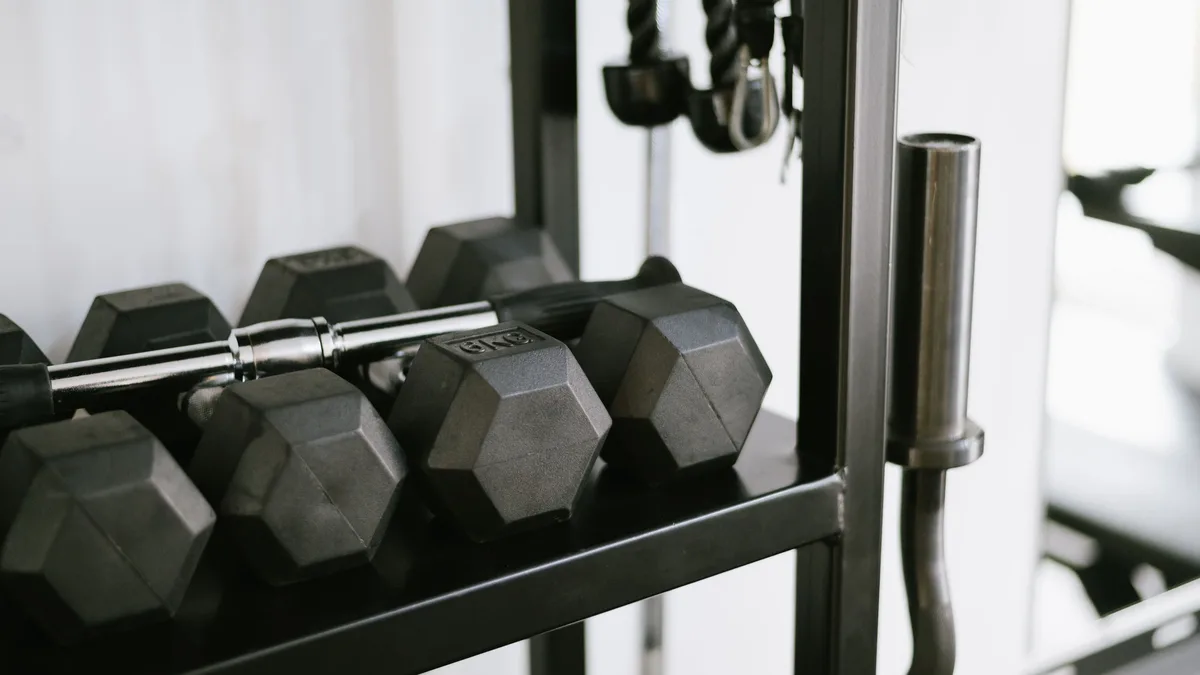
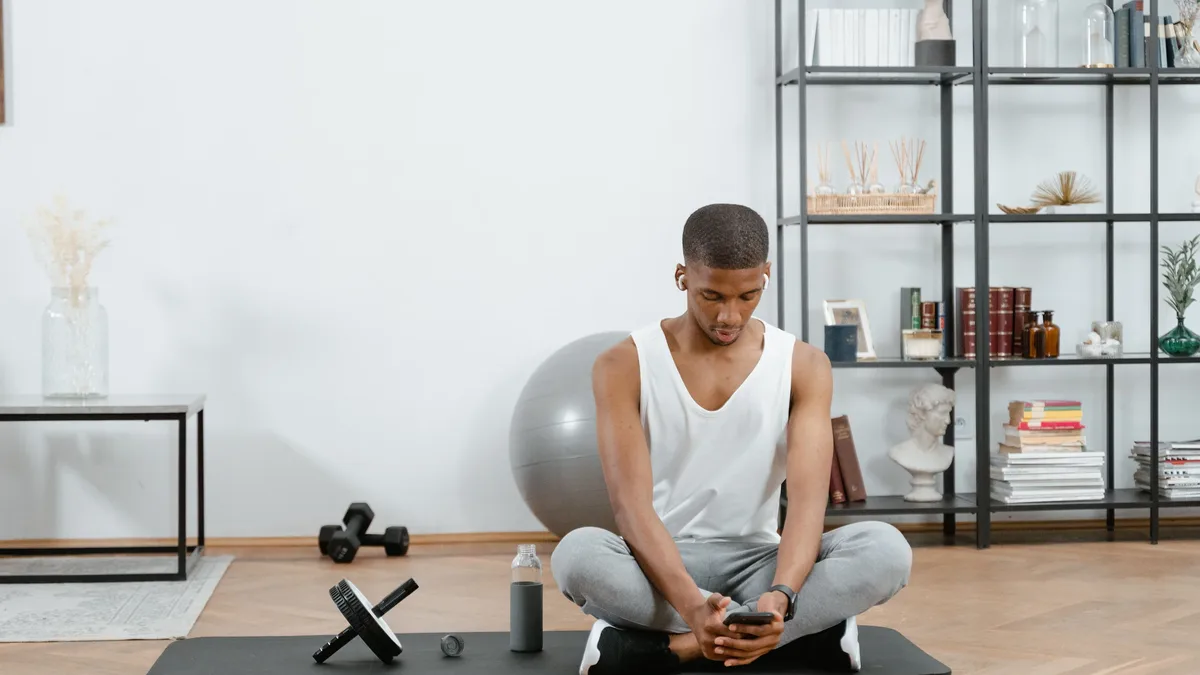
Home training does not require a full home gym. Weinstein trained in his living room for years. He insists every piece of equipment must earn its space by being versatile. He recommends against single-use machines, favoring tools like kettlebells, sandbags, maces, and a pull-up bar. "With a chin-up bar and a kettlebell, you can do every single thing in your body," he says. For those with a larger budget, adjustable equipment like a well-made adjustable kettlebell is ideal.
Keep Your Workouts Short and Full-Body
For time-pressed fathers, Weinstein recommends four full-body sessions weekly. Three can be just 20 minutes long, with a fourth, longer session when family life allows. He explains that four days a week represents the majority of the week, shifting one's mindset regarding sleep, eating, and training patterns. These short sessions focus on one or two big, high-return movements performed well, not a long list of exercises.
| Session Type | Frequency per Week | Duration | Focus |
|---|---|---|---|
| Standard Workout | 3 sessions | 20 minutes | One or two big movements |
| Longer Workout | 1 session | Variable (when possible) | Full-body training |
A workout might involve picking up a sandbag and squatting it once every 30 seconds for 20 minutes. The framework is big exercises, minimal kit, and a hard stop. "If you do that four times a week, I guarantee you get stronger," Weinstein states.
Programme Time to Play
Weinstein encourages scheduling 'playtime' into sessions, such as learning to swing a mace or practicing juggling. He recommends about 10 minutes, often at the start of a session to double as a warm-up. This exploration brings joy and teaches new skills without derailing the workout. He notes that ten minutes of practice, repeated two to four times a week, leads to proficiency with a new tool within months.
**Build a Body That Can Do More**
The goal is to build a body prepared for life outside the gym. Weinstein advocates for tools like sandbags, clubs, and maces because they develop often-neglected qualities like rotation, balance, and force production from awkward positions. I think sandbags make a functional human, he says. The aim is to become the dad who can run around a playground and carry awkward objects, not only look like someone who trains.
**Make Fitness a Family Affair**
Finally, Weinstein views fitness as a family affair that requires cooperation. During the week, this means finding space for short workouts. On weekends, he and his wife take turns creating time for longer training sessions. He also involves his children, allowing them to see exercise as a normal part of adult life. It's monkey see, monkey do, he says, promoting leading by example.