Sports massage timing and TFL care for runners
A specialist explains when runners should schedule sports massages in their training cycle and why the tensor fasciae latae (TFL) muscle is critical for
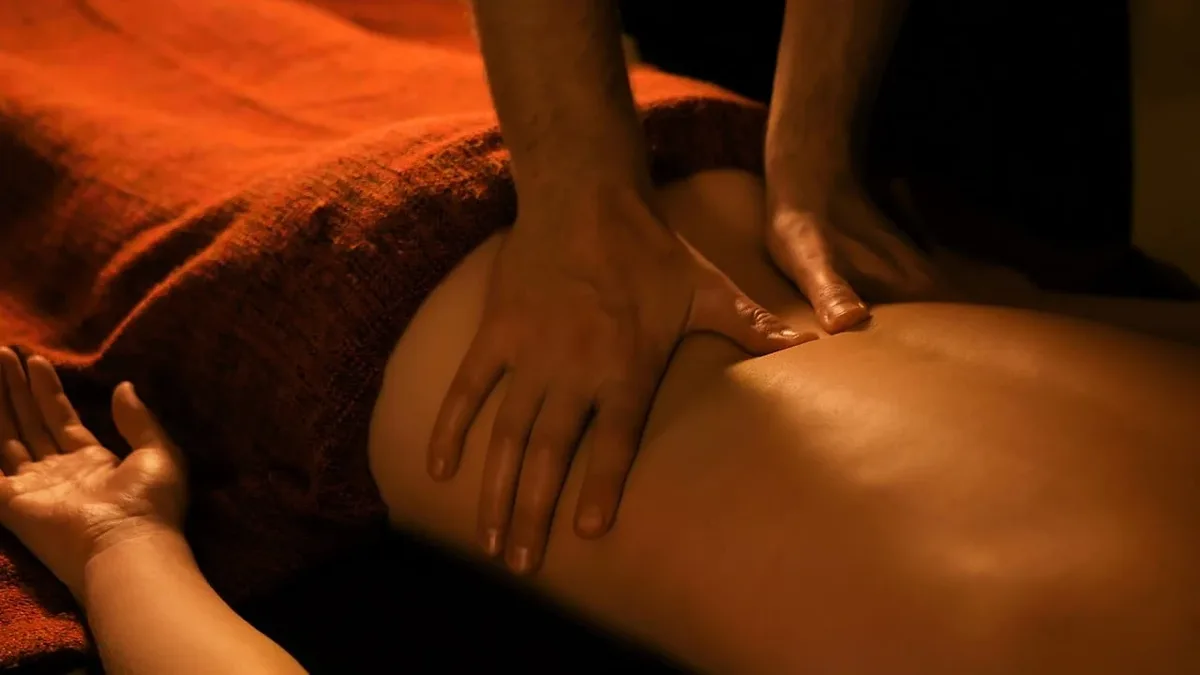
Sports and deep tissue massages are critical for runners to maintain overall function and recovery, according to Stephen Price, Owner and Founder of Bodyspace. He attributes this to the repetitive micro-trauma and tension running creates in the body's soft tissues.
Consistent manual therapy helps break down fascial adhesions and improves tissue elasticity. It also accelerates the removal of metabolic waste. This work restores optimal joint mechanics. It prevents the cumulative overload that often leads to chronic injuries.
When runners should get sports massages
Price states timing depends on a runner's training cycle. He provides specific recommendations for different phases.
| Phase | Timing | Purpose |
|---|---|---|
| Maintenance (high-volume training) | Every 2 to 4 weeks | To manage accumulating tightness. |
| Pre-race (e.g., marathon) | 3 to 5 days before the race | A lighter, flushing massage to stimulate blood flow without causing fatigue. |
| Post-race | 48 to 72 hours after finishing | To realign tissue after initial soreness subsides, avoiding acute inflammation. |
Price warns that immediate deep tissue work after a race can exacerbate acute inflammation. He advises waiting until the initial muscle soreness subsides.
The difference between hot and cold massage oils
Treatments can use different oils for specific physiological effects. Price explains the distinctions.
Hot oils, such as those with black pepper and ginger, promote vasodilation. This increases blood flow and warms muscle tissue. They are ideal during training blocks to alleviate chronic stiffness. They prepare tissue for deep myofascial release and improve local mobility.
In contrast, cold oils with ingredients like menthol, eucalyptus, and peppermint create a cooling, analgesic effect. They promote vasoconstriction, which helps manage acute inflammation. Price notes they are best used immediately post-run or post-race to soothe fatigued and overheated muscles.
Why the TFL muscle matters
The tensor fasciae latae (TFL) is a small but important muscle at the top of the thigh. It is located at the front and outer side of the hip. Price explains it is key for pelvic stability and directly controls the tension of the IT band.
"Runners typically focus their recovery on the larger, more obvious prime movers, like the quads, hamstrings and calves, leaving the TFL ignored," he says. Because it is highly active during the stance phase of running, it frequently becomes overworked. A tight TFL alters hip mechanics. Price identifies it as a primary culprit behind IT band syndrome.
How recovery tools support massage
Price advocates for hybrid human-led tech solutions in treatments. At The Spa at the Mandarin Oriental, they integrate Hyperice percussion devices. These tools rapidly down-regulate the nervous system and warm up tissue. This makes subsequent manual deep tissue work more effective and less painful for the client.
Post-massage, practitioners may use Normatec dynamic air compression. This acts as a powerful flush. It accelerates the clearance of metabolic waste released during the manual therapy. The source report is based on an experience at The Spa and an interview with Stephen Price for Runner's World UK.