Jenni Falconer's 30-Year Running Journey
Broadcaster Jenni Falconer, 50, reflects on three decades of running, from a hesitant start to completing 10 London Marathons.
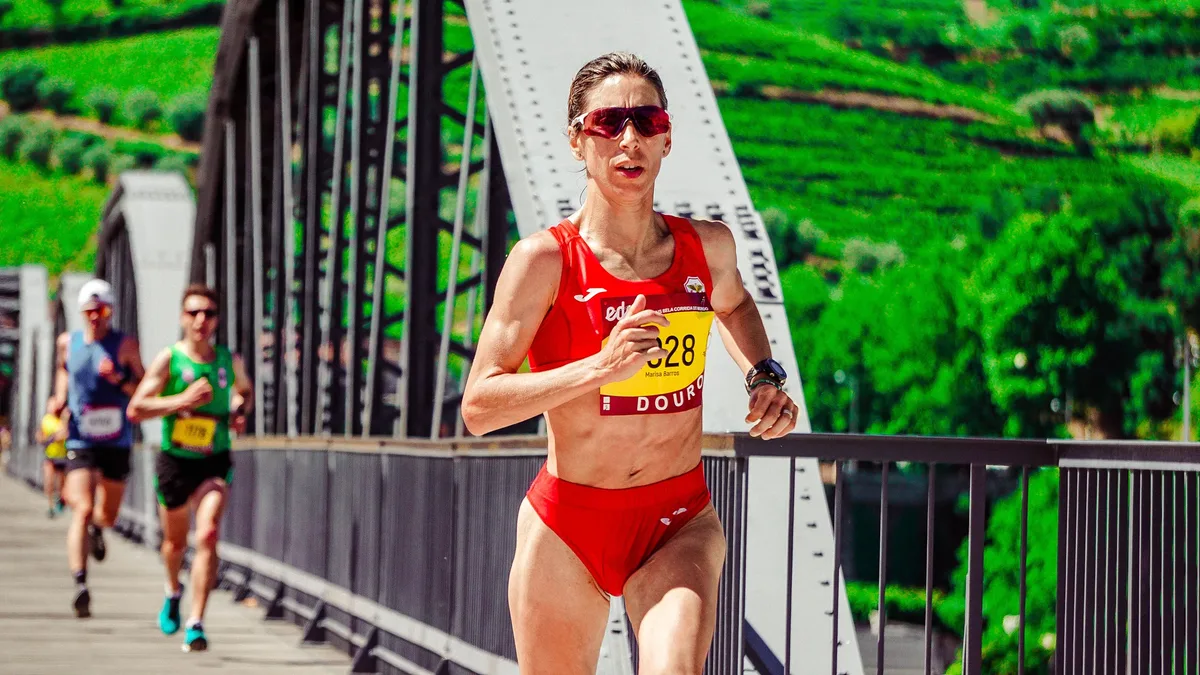
Broadcaster Jenni Falconer began running 30 years ago at age 19. She has since completed 10 London Marathons. Her personal best time is 3 hours and 31 minutes. Her running journey started as a way to manage weight. It quickly became a lifelong passion.
Falconer's first run was a hesitant loop near Glasgow's Botanic Gardens. She wore a baggy men's tracksuit and a cap so nobody could see her. It was a run-walk effort that left her throat feeling raw. Yet she discovered an immediate love for the activity. She continued until she could run the loop without stopping. Then she gradually added distance.
From Solo Runs to the Start Line
For 14 years, Falconer ran alone. She was intimidated by organized races. She believed marathons were only for elite athletes like Paula Radcliffe. Her perspective changed during a television appearance. She said she would love to do the London Marathon, but she did not mean it. A charity heard the comment and offered her a place. She accepted despite her fear.
Her first marathon in 2009 was a leap into the unknown. She followed a free training plan from a magazine. She ran without a GPS watch or pace tracking. She just ran. She finished in 3 hours and 53 minutes. She hit the proverbial wall but felt proud.
The Pursuit of a Personal Best
Falconer later focused on improving her time. With dedicated coaching, she increased her training to five runs and two weight sessions per week. This regimen helped her achieve her current PB of 3:31 in 2010. She expressed frustration at missing the 3:30 mark by a tiny margin. Speeding up by two seconds per mile would have done it, which she finds really annoying.
She still aims to beat that time. Falconer believes a 3:30 marathon is achievable. She cites current obstacles like early work hours, inconsistent nutrition, and insufficient sleep. She also mentioned a desire to move from app-based training plans to a human coach for more tailored guidance.
Adapting Running to Life's Changes
Falconer's running has continually adapted around her career, pregnancy, and injuries. She ran until five months pregnant. Then she switched to walking and gym work. After giving birth, she returned to running too quickly. This led to issues with knee hyperextension due to her hypermobility.
Injuries, often related to her glutes, have taught her the importance of strength training. She now prioritizes lower-body work. She finds it less motivating than upper-body training. Strength training makes a difference without a doubt, she asserted. She connects this discipline to long-term wellness. This is especially true as a woman in her fifties experiencing hormonal changes.
Despite time constraints and physical setbacks, her enthusiasm remains. Falconer's central lesson is to avoid comparison. She wishes she had told her younger self to relax and not worry about pace. The finish line is the same for everyone.