Bodyweight Exercises for Building a Stronger Back
A guide to building back muscle without weights and expert advice for new and experienced runners on motivation and injury prevention.

Two distinct stories offer guidance for physical wellness this week. The first outlines a comprehensive approach to building back muscle using only bodyweight exercises. The second compiles advice from running coaches on how to start, stay motivated, and avoid injury.
Bodyweight Back Training
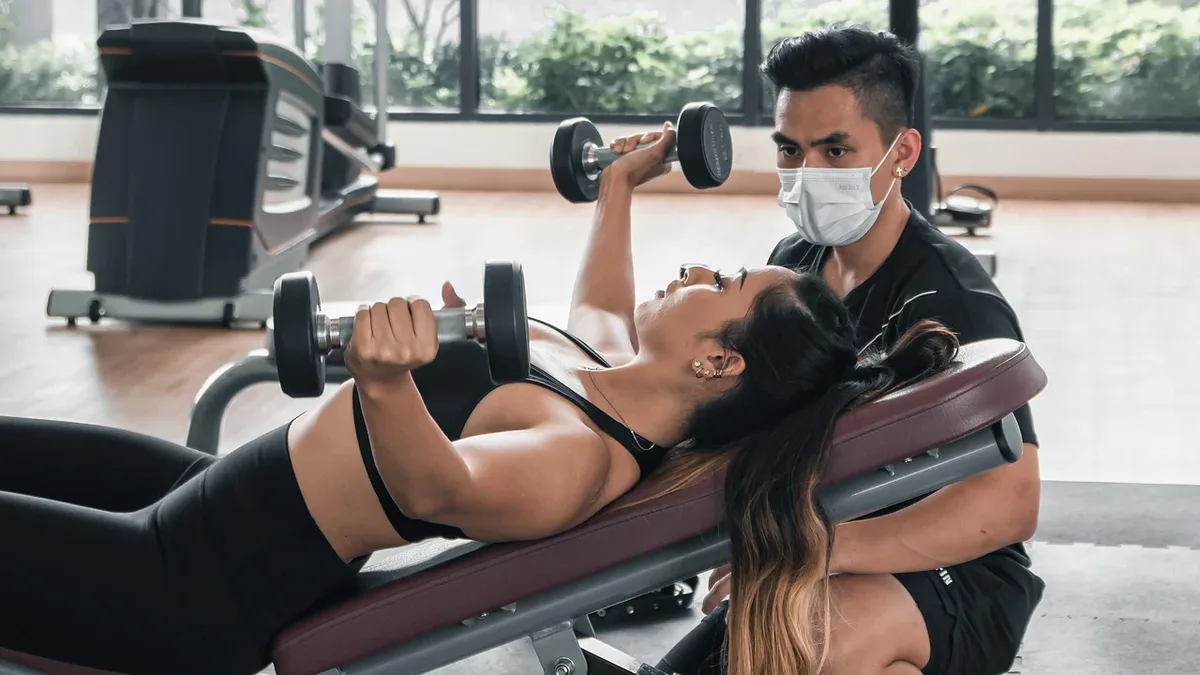
Building a bigger back without weights is not only possible but can be highly effective, provided you have access to a sturdy pull-up bar or a set of gymnastics rings. The pull-up and its many variations allow you to lift nearly your entire bodyweight, offering considerable resistance for the latissimus dorsi, traps, rhomboids, and rear deltoids. A suspension trainer or calisthenics park expands the exercise options further, enabling a complete back workout with no equipment beyond something to hang from.
Seventeen specific exercises form the core of this approach, ranging from foundational moves to advanced variations. For those not yet strong enough for a full pull-up, the negative pull-up, which focuses on the slow, controlled lowering phase, builds strength through the necessary range of motion. The standard pull-up is described as a premier upper-body movement for lat development. Variations like the wide-grip pull-up, chin-up, and neutral-grip pull-up alter the angle and muscle emphasis, providing variety and accommodating individual joint comfort.
Using gymnastics rings introduces an element of instability, demanding more control from the shoulders and upper back while allowing natural wrist rotation. More challenging progressions, such as the archer pull-up, shift more bodyweight onto a single arm to increase difficulty. Supplementary exercises like inverted rows, scapular pull-ups, and prone back extensions target the entire posterior chain. The guide concludes with a suggested 20-minute bodyweight-only back workout, framing this training method as a versatile and accessible component of sustainable movement practice.
Running Coach Recommendations
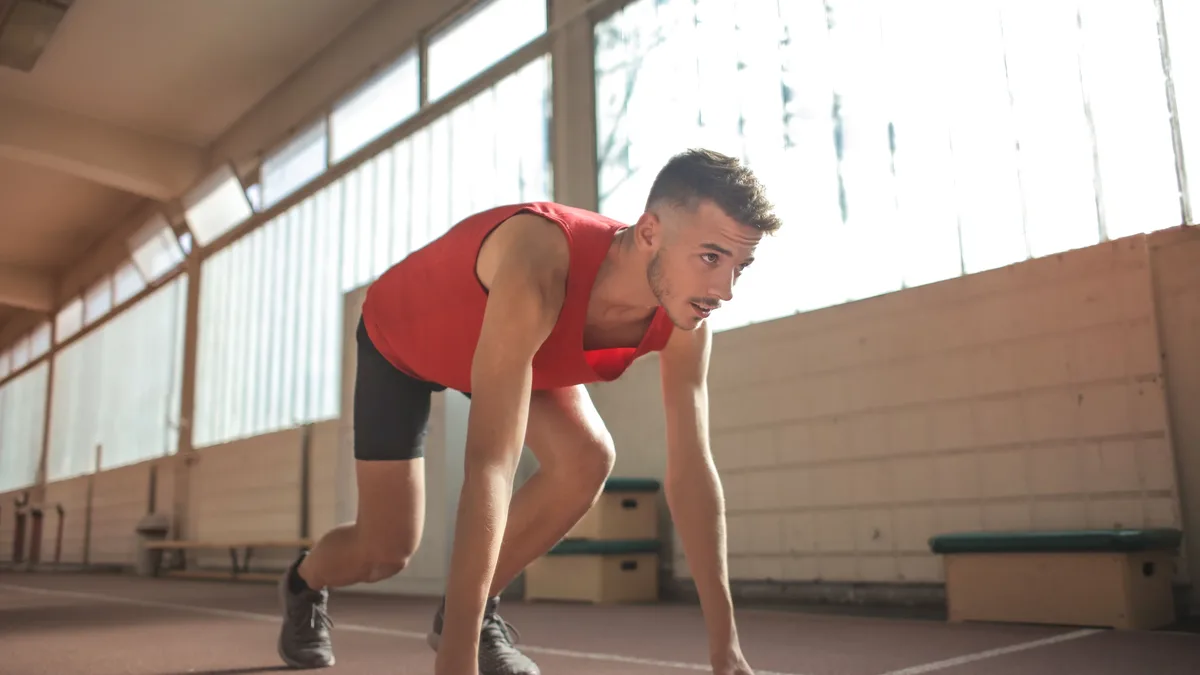
Running coaches emphasize mindset, gradual progression, and injury prevention as keys to developing a sustainable running habit. Former GB athlete and coach Jo Wilkinson admits she often hates starting a run, noting that motivation naturally fluctuates. She recommends arranging to run with a friend or joining a club to create accountability, advising those running after work to change into their gear immediately without sitting down first. Thomas Craggs, who leads a UK Athletics endurance program, acknowledges that even elite athletes do not feel motivated every day but commit regardless, encouraging new runners to embrace initial discomfort for rapid later gains.
Starting slowly is universally advised, with the Couch to 5K app highlighted as an effective tool that mixes walking and running intervals. Allie Bailey, an ultrarunner and coach, clarifies that 'run' should mean only a bit faster than walking, at a 'conversational' pace. Coaches agree that walking during runs is not only acceptable but beneficial for injury prevention, urging newcomers not to rush the journey to a continuous 5k. Emma Kirk-Odunubi, another running coach, suggests having your gait analyzed at an independent store for impartial shoe advice, while Bailey advises hobby runners to prioritize comfort over performance-enhancing features.
For experienced runners considering carbon-plated shoes for personal bests, Jo Wilkinson confirms evidence that they make a significant difference. She cautions that their lack of stability means they should not be worn for every run to avoid injury. The overarching theme from the coaches is finding joy in the activity through sensible pacing, social support, and appropriate gear, framing running as a sustainable practice for long-term wellness.