Amputee ultrarunner pursues UTMB comeback after prosthetic failure
A 54-year-old below-knee amputee ultrarunner ran 91 miles in 39 hours of the UTMB World Series Final before a prosthetic failure forced her withdrawal, using the experience to refine her training for a planned return in 2027.
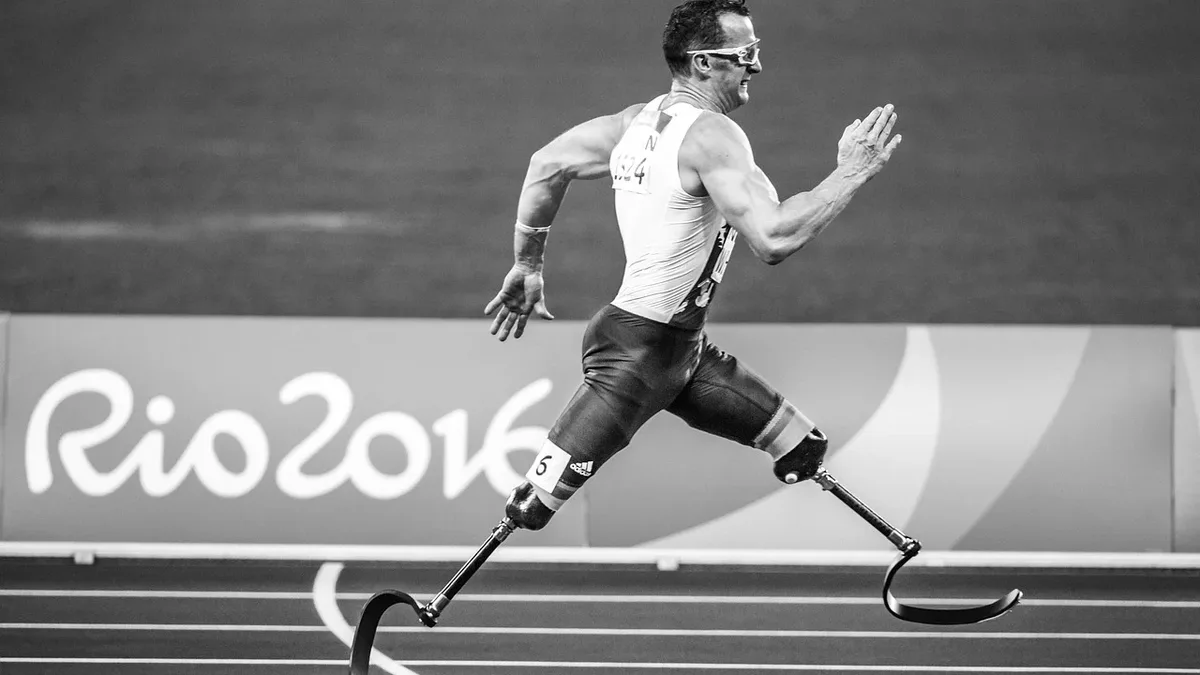
A 54-year-old below-knee amputee ultrarunner is planning a 2027 comeback to the Ultra-Trail du Mont-Blanc after a prosthetic failure ended her latest attempt. She ran 91 miles in 39 hours of the UTMB World Series Final before the issue forced her to withdraw, a painful letdown that has since fueled her resolve.
Her athletic journey began after a life-altering accident. She was hit by a car while riding her motorcycle at age 19. Countless surgeries over two years followed before her left leg was amputated below the knee at 21. She then taught herself to walk and run with a prosthetic, embarking on a running habit that saw her hit the pavement almost daily for years.
Building strength through consistency
Over the past 18 years, she has raced countless times, but collecting medals has never been her goal. Showing up consistently, even when she doesn’t feel like it, has taught her that small, consistent efforts add up. Her aim has always been to become a better athlete than she was yesterday, stronger, smarter and more capable.
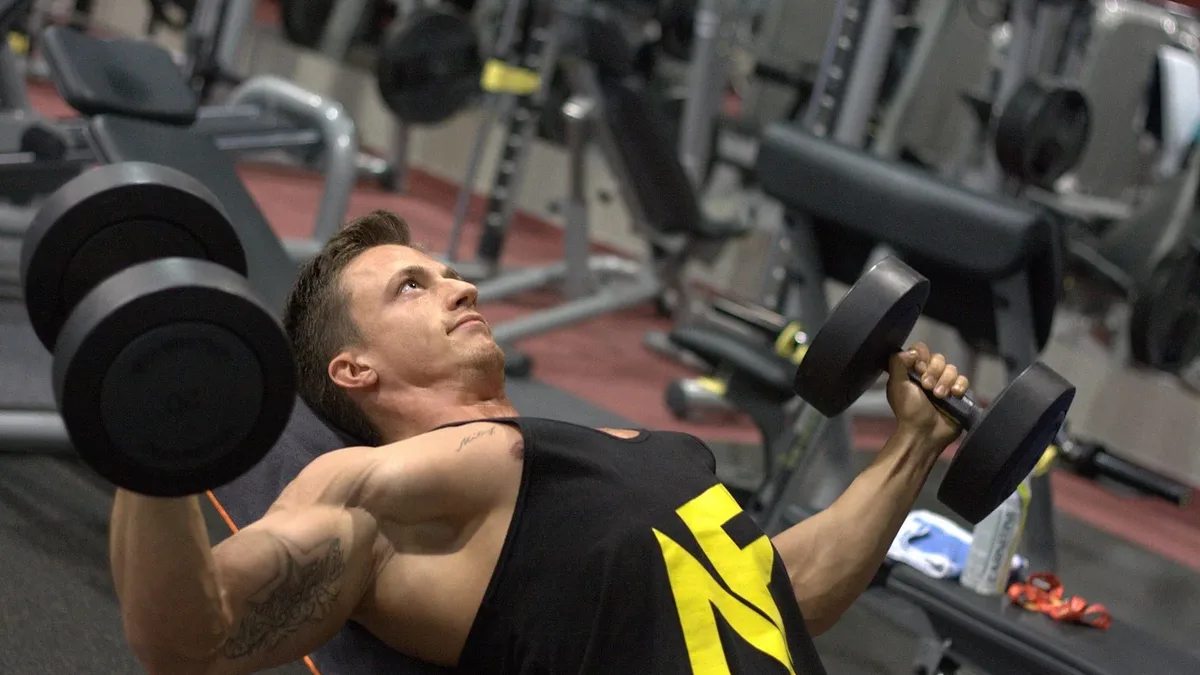
She trained with coach Evan Amendola at OG Training Academy, a group training club in Lindenhurst, New York. Her regimen was a careful blend of movement, recovery, and nutrition designed for sustainable progress.
| Day | Training Focus |
|---|---|
| Saturday | Full-body strength and conditioning, followed by five hours of hill repeats (~1,500m elevation) |
| Sunday | Core and conditioning, followed by an 8-12-mile run |
| Monday | Lower-body strength and conditioning |
| Tuesday | Push-focused strength training, followed by an easy 5K run |
| Wednesday | Two high-intensity endurance running sessions |
| Thursday | Lower-body strength training |
| Friday | Chest and upper-body strength training |
She stretched every day and completed at least one myofascial release session per week. Nutrition centered on whole foods rich in protein and carbohydrates, with lean meats, rice, sweet potatoes, and oatmeal as staples. She approached every workout with the mentality to move forwards and make each session a little better than the last.
Chasing the UTMB dream
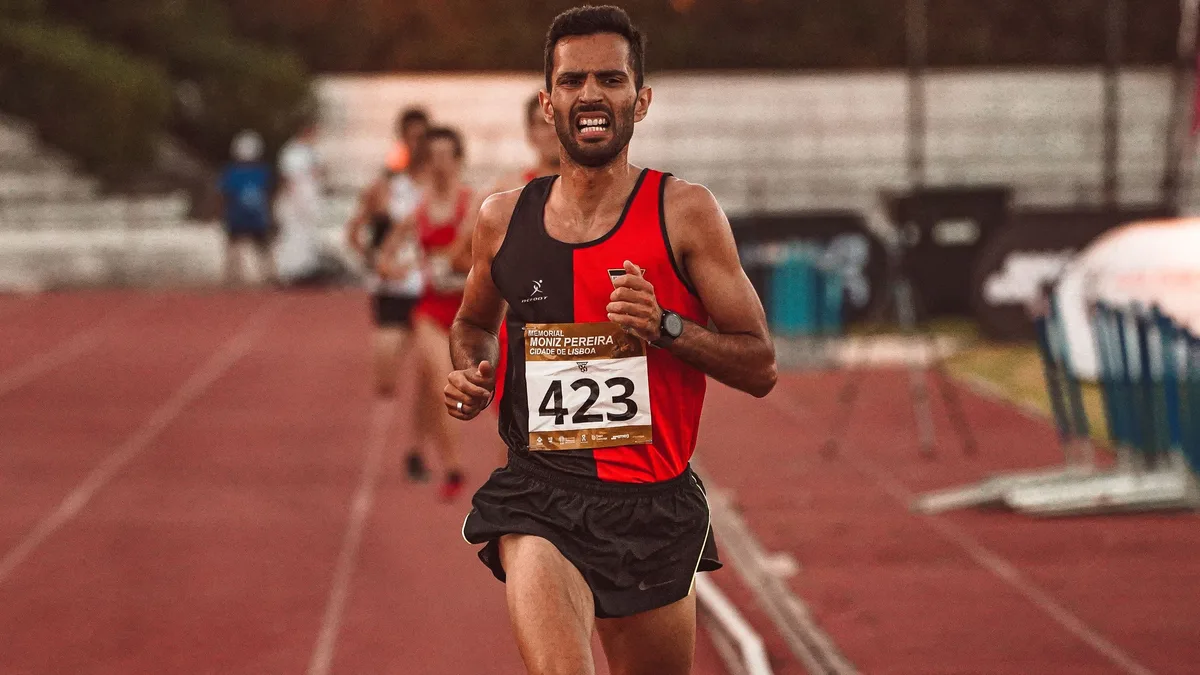
Over the past year, she trained specifically for the Ultra-Trail du Mont-Blanc (UTMB) World Series Final, an ultramarathon through the Alps that must be completed within 46 hours and 30 minutes. She had attempted the UTMB three times before this year and came up short each time. Her coach, Evan Amendola, repeatedly challenged her perspective, asking, "Do you really want to stay the same?"
She believes strength is about being willing to start again and change course when necessary. It means protecting the person she was before the world told her what she couldn’t be, while fighting for the person she hasn’t yet become. "I will fail. I will get hurt. I will adapt," she said. But I’ll never let any of it dim the light inside me. She credits sport with shaping her parenting, her work, and how she supports others and responds to difficulty.
The prosthetic failure and what it taught her
The 2026 UTMB run ended at 91 miles and 39 hours due to a prosthetic issue. The failure hurt because she had travelled across the world to finish, not only to see how far she could get. Yet the experience showed her how well her training had prepared her and gave her clear insight into what she needs to improve.
Her resilience is proven in a history of breakthroughs. She finished second in her age group in her first half marathon at age 32. She set below-knee amputee records at the 2006 Columbus Marathon and the 2026 Chicago Marathon. She completed her first 100-mile ultramarathon just two years after setting the Chicago Marathon record.
What comes next
She plans to return to the UTMB in 2027. The lesson she carries forward is that true strength means starting again, adapting after failure, and protecting the belief in her own potential. Sport has given her an outlet for stress, along with a sense of purpose and confidence that extends far beyond any finish line.