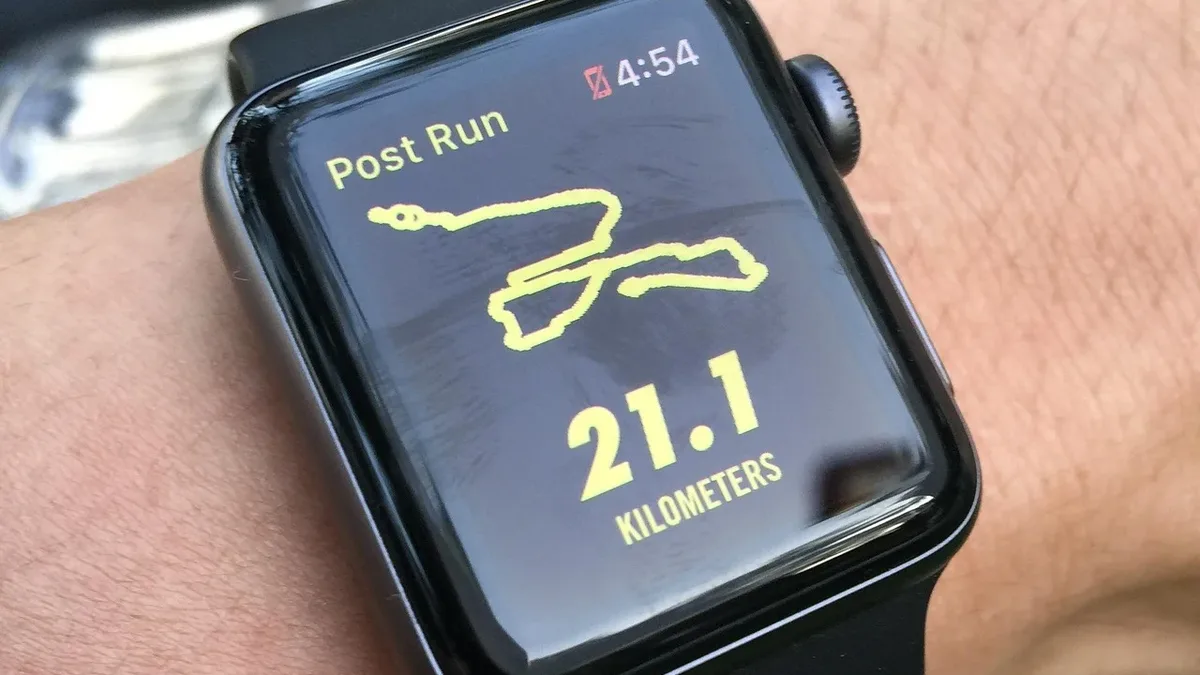
Eight-minute field test to find your running pace
A coach introduces an eight-minute field test to help runners determine their lactate threshold and specific training heart rate zones based on performance data.

A coach suggests that runners can find an accurate answer to how fast they should run by testing their lactate threshold. This metric represents the specific pace at which the body can no longer clear lactate as quickly as it is produced. According to Runner World, while many lactate threshold tests are costly or inconvenient, the 'Run LT Field Test' is cost-free, reproducible, and reasonably accurate. The method requires only a heart rate monitor and either a track or a GPS device.
Executing the field test
The test involves running for eight minutes on a 400m track or a measured flat surface using GPS. The primary objective is to cover as much distance as possible within that timeframe. To analyze the results, runners must record the total distance run to the nearest 10m, the average heart rate, and the maximum heart rate. They also need each 400m split time, the heart rate at the end of each 400m segment, their perceived exertion on a scale of one to 10, the location of the test, and the weather conditions.
To ensure repeatability which is crucial for accuracy, the coach advises finding a quiet track to have a lane to oneself. It is vital to perform the test at the same time of day and on the same stretch of road if not using a track. Ideal environmental conditions include mild temperatures and relatively calm winds. A runner should perform their standard pre-race warm-up, including strides, to ensure they are ready to run hard immediately upon starting.
When the test begins in the inside lane, the runner must avoid going out too fast. Instead, they should focus on finding the fastest sustainable pace for the eight minutes. This pace is typically faster than a 5K race pace but slower than a mile race pace. Runners must track splits every 400m and record the final distance precisely to mark progress over time.
Calculating training intensities
Once the data is gathered, the average heart rate from the test is multiplied by specific percentages for different types of runs. These heart rate ranges ensure the athlete works at the correct intensity for specific goals. The test should be repeated several times a year to monitor fitness improvements and lactate threshold changes.
| Run Type | Percentage of Average Test Heart Rate |
|---|---|
| Warm-up and cool-down | 82-90% |
| Recovery run | 82-90% |
| Steady state run | 92-98% |
| Tempo run | 98-102% |
| Fartlek intervals | 98-108% |
| Hill intervals | 98-108% |
| Track intervals | 98-108% |
| Race | 98-102% |