Military Fitness Method for Strength and Endurance
A three-step fitness approach inspired by Royal Marines training focuses on aerobic endurance, lower-body strength, and high-intensity conditioning to build military-ready fitness.

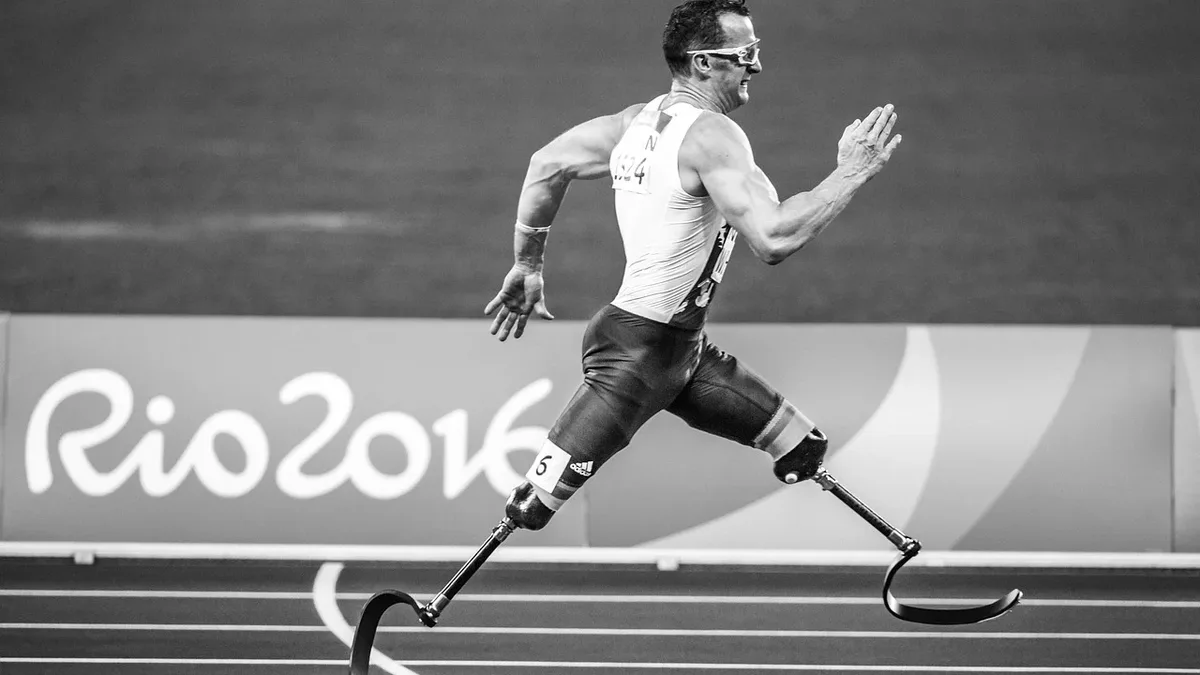
A fitness method inspired by Royal Marines training can help build strength, endurance, and power. According to YouTuber Harry Shepherd, this three-step approach focuses on aerobic endurance, lower-body strength, and high-intensity conditioning. Shepherd, who draws on his experience with Royal Marines-style fitness, explains that this method ensures you never gas out and develop unbreakable endurance. While designed for military fitness, the same principles can benefit running, hiking, and hybrid training.
Build Aerobic Endurance with Zone 2 Training
Military fitness requires the ability to keep moving for long periods, even when fatigued. Shepherd emphasizes the importance of building a strong aerobic base through zone 2 training, which involves long, steady efforts at a sustainable intensity.
Shepherd suggests spending 80% of cardio work in zone 2, which he describes as 'long, boring, easy miles.' Activities like running, cycling, rowing, or using the stair climber at 60-70% of maximum heart rate are ideal. A simpler way to gauge intensity is the talk test: you should be able to maintain a conversation without gasping for breath. The goal is to accumulate aerobic work that you can recover from and repeat consistently.
Strengthen Lower Body for Physical Tasks
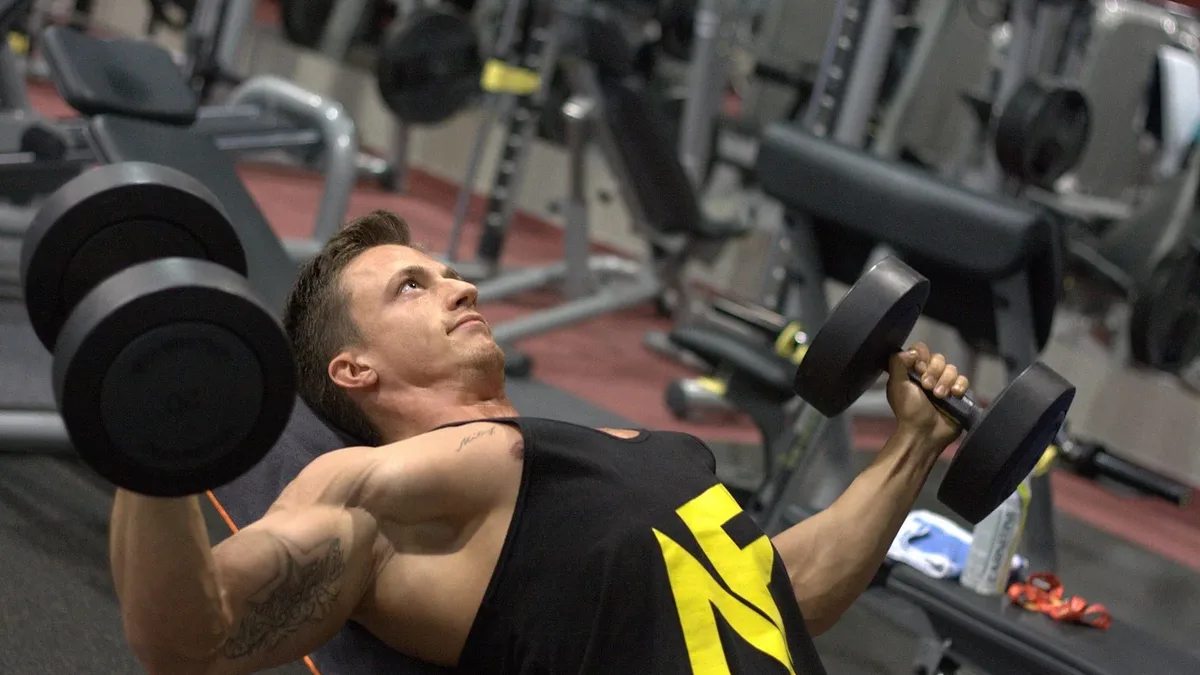
Lower-body strength is crucial for military fitness, whether running, carrying equipment, or climbing. Shepherd recommends training the lower body twice a week, focusing on the quads, hamstrings, glutes, and calves.
His approach involves a key performance indicator (KPI) lift, such as deadlifts, back squats, or hip thrusts, to track progress. Each session starts with a KPI lift, followed by accessory exercises like hip thrusts, Romanian deadlifts (RDLs), or hamstring curls. This method simplifies training by focusing on one big lift to measure strength gains, with accessory work filling in the gaps.
Add VO2-Max and Power Work for High-Intensity Capacity
Once the aerobic base and lower-body strength are established, Shepherd introduces VO2-max training and explosive power work. VO2-max training involves hard intervals, such as 400m, 600m, or 1km efforts, with enough recovery to maintain quality. Power training focuses on producing force quickly, using explosive jumps, throws, or fast, low-rep resistance exercises.
The combination of these three steps creates a well-rounded fitness template: aerobic fitness for endurance, strength for physical tasks, and high-end capacity for intensity. While not everyone needs to be Royal Marines-ready, the benefits of being harder to tire, stronger, and more explosive are universal.
For those looking to optimize body composition for performance, elite athlete and coach Kori Sampson offers a 4-week plan to move faster, recover quicker, and improve muscle-to-fat ratio. This plan is available via the Men’s Health app.
Ryan Dabbs, a Senior Writer at Men’s Health UK, has a background in sports journalism and has interviewed notable figures like Les Ferdinand and Antonio Rudiger. He has also represented Northern Ireland’s national futsal team and achieved a marathon personal best of 3:31:49.